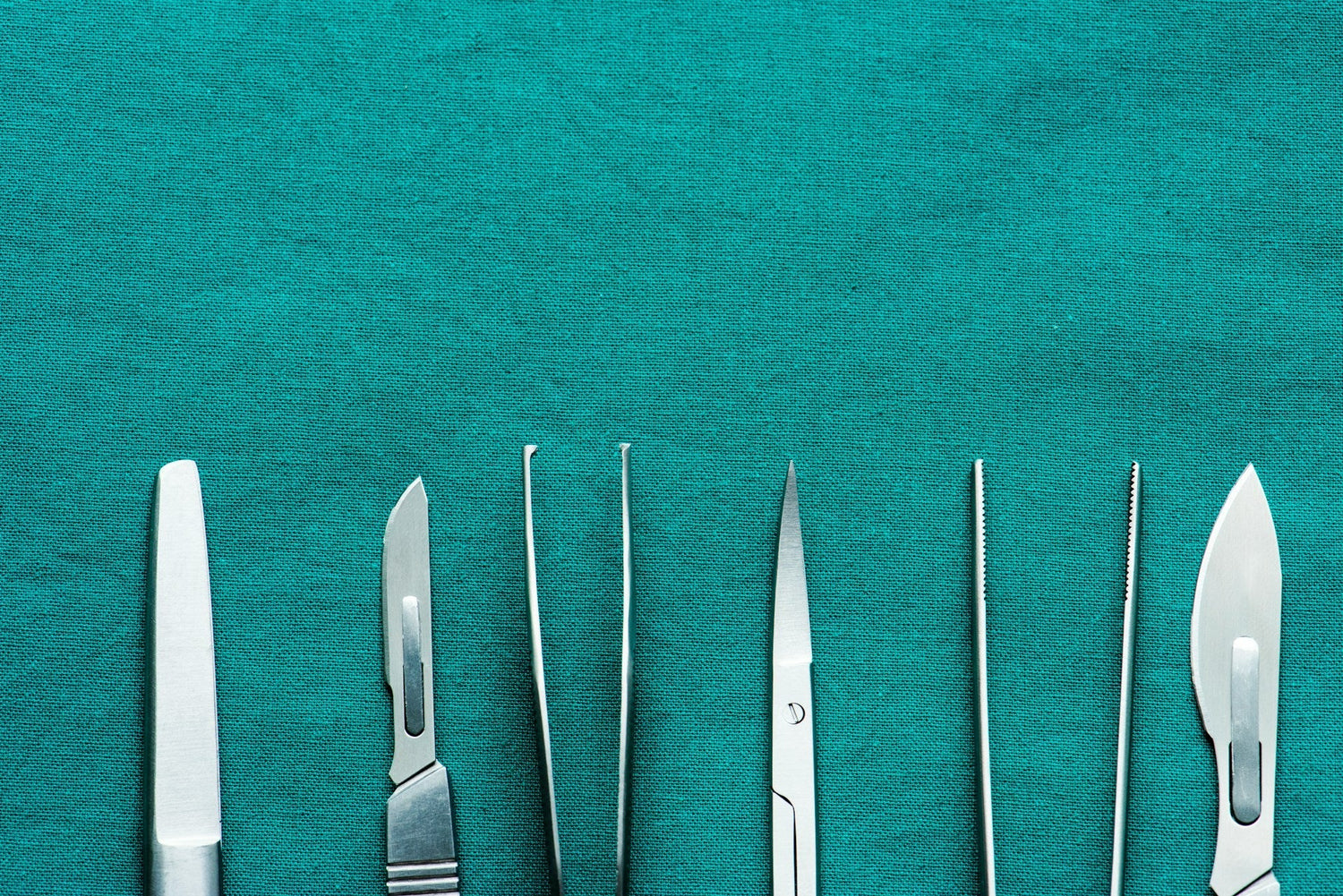
Precision can make all the difference in a surgical setting. When we’re working with small, delicate areas, especially around soft tissue, every cut counts. Micro blades give us that extra level of accuracy we rely on. These tools may be small, but they do an important job in making sure each step of a procedure is clear, safe, and controlled.
Whether it’s during a fine cosmetic adjustment or a step in a more complex treatment, micro blades give us cleaner, more predictable results. Their fine sharpness and compact size are built to help us work more carefully around sensitive zones. We use them regularly to support a safe, stable experience at every stage of care. Let’s look at how these blades help keep our focus sharp from start to finish.
The importance of skill and careful technique can’t be understated, but even the most experienced hands benefit from using the right tools. Micro blades help promote precision in ways that larger or duller cutting instruments cannot, especially during procedures that leave little margin for error. From delicate incisions on facial tissues to exacting work inside the mouth or hands, micro blades are vital. Their design addresses not only the need for accuracy but also comfort for both the practitioner and patient alike.
Choosing the Right Tools for Fine Detail
When performing fine tissue work, smaller tools often give us more control. Areas like the face, gums, hands, or internal organs require accuracy at the millimetre level. This is where micro blades stand out from standard blades.
• Micro blades are shorter, thinner, and made with sharp tips that glide smoothly across soft tissue
• They reduce the risk of accidental damage since we can guide them more precisely inside tight spaces
• The edges are typically crafted to keep the cut as narrow and clean as possible
We tend to reach for micro blades during dental work, cosmetic treatments, and minor surgical tasks that require a delicate hand. Procedures near nerves or on visible skin surfaces benefit most from this kind of precision. These tools help us focus entirely on the small area we’re treating rather than worrying about extra movement or friction caused by larger blades.
Small-scale operations mean less margin for error. With micro blades, clinicians can direct forces exactly where needed, which is especially important in pediatric or reconstructive work. These blades help maintain the tissue’s shape, reduce unwanted tearing, and allow gradual progress in tight or irregular spaces. Also, their fine design helps minimize patient discomfort and recovery time by making smaller wounds that are easier to close and heal.
Safety in these environments depends not just on choosing a blade, but on choosing the right blade for the situation. The variety of available sizes and shapes ensures there is always a blade optimized for even the most niche procedure, creating an advantage in medical settings where outcomes are directly influenced by the tools we use.
How Micro Blades Help Throughout the Day
When you work with your hands for hours at a time, every choice in your setup matters. That includes blade size, handle comfort, and grip. A well-designed micro blade helps reduce fatigue by working with us, not against us.
• The lighter blade edge requires less pressure, allowing for more natural movement throughout long procedures
• Smaller tips are easier to angle and rotate, improving our range of motion when working with curves or folds
• Visibility improves when the blade isn’t bulky or distracting, which helps with accuracy, especially in tight areas
We know how important it is to stay in control, even during tricky angles or sudden movements. Micro blades are small enough to feel like an extension of our own fingers, making it easier to stay focused instead of constantly adjusting our approach.
Over a full shift, repetitive movements with ill-fitting instruments put strain on the wrist and fingers. Micro blades, when matched with a comfortable handle, lessen the amount of force needed, keeping hands nimble and steady. This reduces practitioner fatigue, lessens the risk of repetitive strain injuries, and ultimately allows us to work longer and more confidently. Fewer adjustments or slips mean more reliable progress, and outcomes that reflect the practitioner’s level of care.
Each feature, from balance to blade width, is designed for utility and ergonomics. The tactile feedback from lighter, sharper blades gives detailed insight into tissue texture and resistance, helping you instantly recognize when pressure or angle should shift. This responsiveness improves not just the immediate accuracy of your cuts but the overall pacing of the procedure.
Supporting Safer Outcomes for Patients
Micro blades aren’t just about helping us, they also support patient protection. With a more precise cut, tissue experiences less disturbance, which may help reduce the risk of unwanted results.
• Micro blades create smaller entry points, which may lead to lower trauma around the treatment site
• Clean, narrow incisions can support smoother closure and reduce handling of the surrounding area
• Greater control helps avoid contact with nearby nerves, blood vessels, or soft tissue structures
This kind of predictability matters. When we can see the result of each movement more clearly, we can plan our work with more focus. Patients benefit when we can make each cut count with confidence.
Reduced tissue trauma not only leads to faster healing, but lowers the likelihood of post-surgical complications like swelling or infection. Because the incisions are typically neater and more refined, there’s less tissue that needs to regenerate, and scarring is minimized. This becomes especially critical for patients undergoing facial surgery or cosmetic procedures, where aesthetic outcome is as significant as functional recovery.
By facilitating smaller wounds, micro blades may also help minimize blood loss and reduce patient anxiety over the extent of their treatment. Controlled, targeted work means less time under anesthesia for patients and less stress for the entire medical team when scheduling or planning aftercare. All of these factors collectively contribute to safer, more predictable results, and higher satisfaction for both patients and practitioners.
Tips for Using and Handling Micro Blades
Like all surgical instruments, micro blades work best when we know how to handle and manage them. That includes picking the right setup before the procedure and maintaining awareness throughout use.
• Choose a handle that fits your grip and holds the blade securely without wiggling
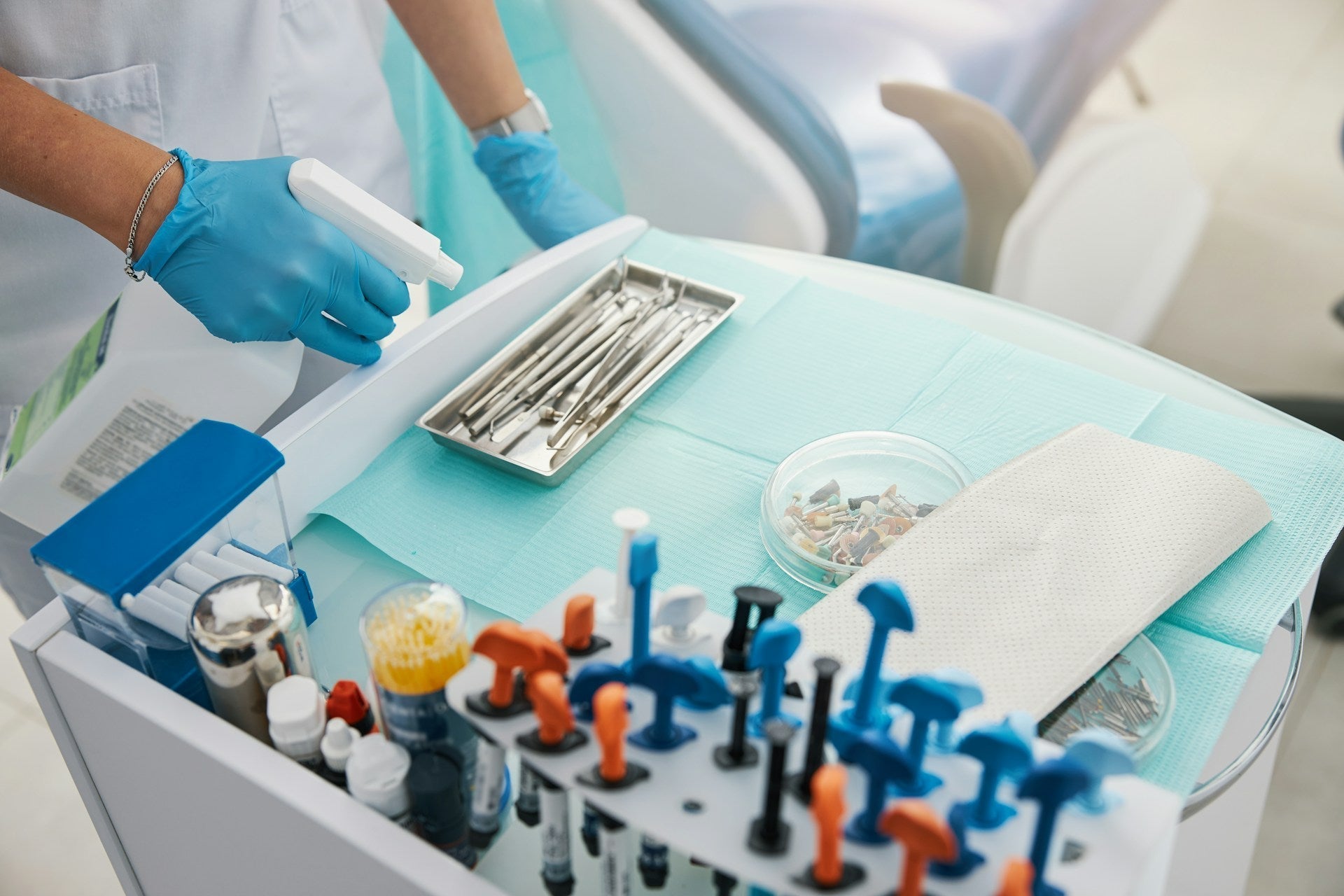
• Store blades in a separate, stable tray to keep them safe and sharp between uses
• Replace blades if they start to drag, bend, or lose their edge
We’ve found that even small slips in handling can lead to reduced performance. Keeping blades clean, sharp, and safely stored helps us stay focused without interruptions mid-procedure.
Routine care is essential not only for effectiveness but also to extend the service life of your micro blades. After use, thoroughly inspecting the blade avoids accidental use of a dulled tool. Proper organization in the operating room keeps the workflow predictable, so that locating and exchanging blades is quick and efficient during procedures. Ensuring sterile storage and correct disposal of used instruments further safeguards patient health and supports infection control protocols.
Practitioners should remain vigilant for any changes in blade alignment or handle fit during use, as even a tiny shift can have substantial effects on delicate work. Consistency in technique, tool selection, and storage is as important for micro blades as it is for any advanced surgical device.
What Makes ProNorth Medical Micro Blades Unique
At ProNorth Medical, our micro blades are crafted from hardened stainless steel for lasting sharpness and precision cuts. They are compatible with a variety of surgical blade handles and packaged to ensure sterility. Hospitals and dental clinics across Canada can order micro blades with reliable shipping and access to a wide selection of other precision surgical tools and accessories.
Precision and versatility make these blades trusted by a diverse range of medical professionals, from general practitioners to dental surgeons and specialists in minimally invasive care. With every new challenge faced in the surgery room, ProNorth Medical supports practitioners by offering blades that not only meet but exceed expectations for performance and consistency.
Better Tools, Better Focus
Surgical tools don’t need to be big or complex to be helpful. In many cases, smaller tools like micro blades can help us concentrate better, work faster, and support careful results for the patients we see every day.
Fine movements require dependable grip and sharpness. When our tools fit well into the small spaces and curves we work with, we’re able to keep our attention where it needs to be. By choosing blades that reflect our goals for accuracy, we reduce guesswork and protect the people in our care. Some days, even the smallest adjustment in tools makes a noticeable difference in how we perform.
Precise, dependable cutting tools are essential to your work, and having high-quality micro blades can make every step more efficient and controlled. We count on these tools for greater visibility and balance during intricate procedures, especially when working with soft or sensitive tissue. With the right blade in hand, you can focus on fine technique without distractions. At ProNorth Medical, we are committed to supporting accurate, thoughtful care at every stage of your process. For questions or guidance on choosing the best tools, contact us.


Leave a comment
This site is protected by hCaptcha and the hCaptcha Privacy Policy and Terms of Service apply.