
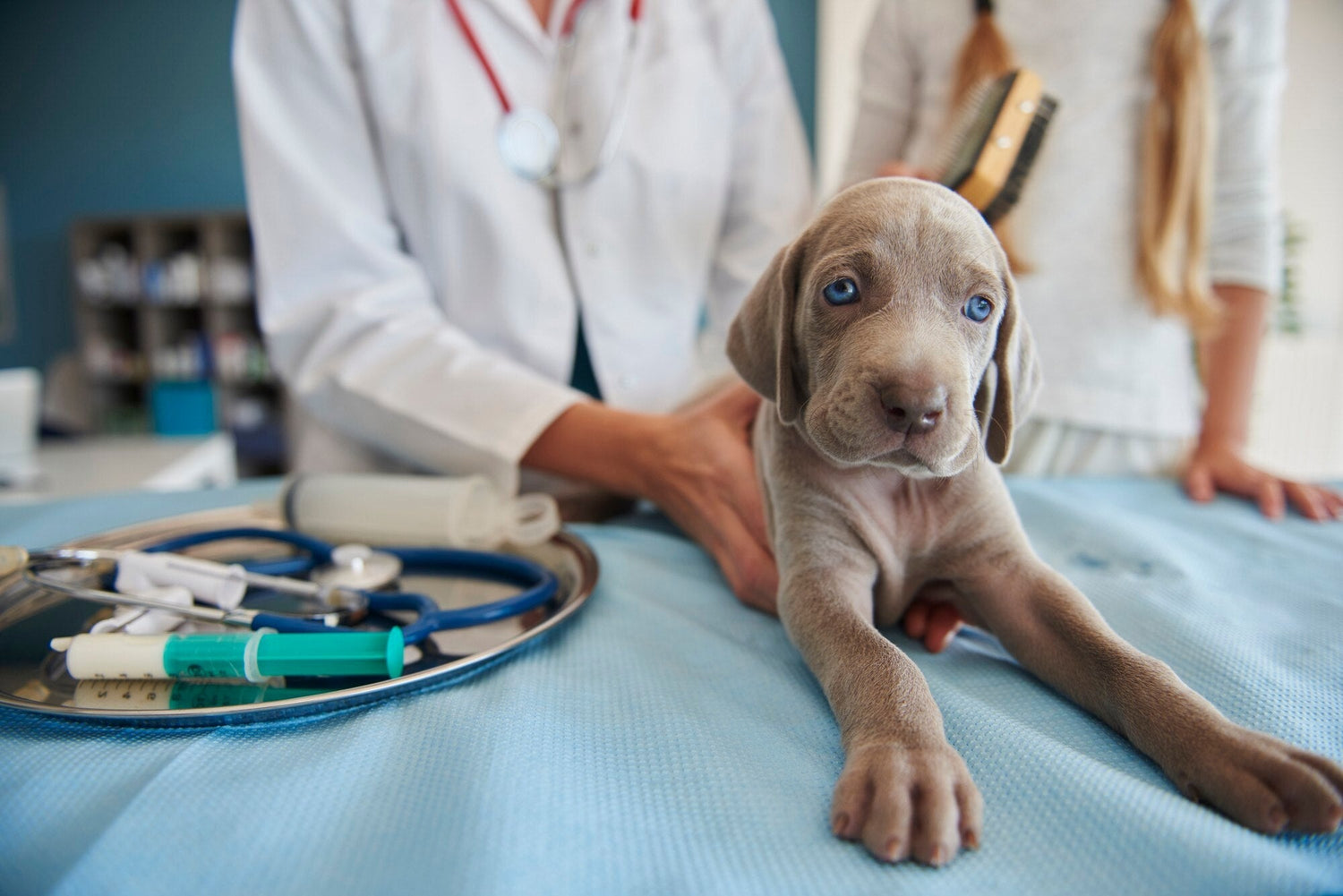
Veterinary equipment plays a key role in supporting daily care at animal clinics. Whether it’s routine checkups or surgery, the type of tools used can make all the difference for both patients and the professionals who treat them.
Some instruments look similar to what’s used in human healthcare, but veterinary surgical instruments are built to support a different kind of work. With animal care, there’s more variety in anatomy, behaviour, and setting. That means equipment used in a vet clinic has to be ready for anything, from handling a tiny kitten to treating a large dog. If you work in or manage a veterinary clinic, knowing how these tools differ from standard surgical gear can help you make better choices and prepare your space more effectively.
Understanding the Bigger Picture of Animal Care
When we work with animals, we’re not dealing with just one body type. A single day in practice might involve a tabby cat, a Great Dane, and a bearded dragon. That variety affects everything, including the type and size of surgical instruments we reach for.
• Many vet-specific tools are smaller or more curved to match the structure of different animal bodies
• Sharp turns, delicate tissues, and small spaces often call for more nimble setups than human-focused surgery
• Materials have to be strong enough to handle frequent cleanings and use across many types of cases
Whether it’s a minor procedure or something more involved, having equipment that matches the physical size and tissue type of the animal being treated keeps the process smoother and more efficient. It also helps reduce handling time and stress, for both the animal and our staff. When we consider the challenges posed by each unique animal, our approach to both prepping and performing the procedure adapts accordingly. Choosing the right equipment impacts everything from preparation to recovery.
Tools must be able to adapt to various body types, temperaments, and even medical histories. Some animals may have sensitivities to certain materials or require extra care due to past trauma. Making slight modifications in instrument choice can reduce the risk of injury and support quicker, more comfortable healing after surgery. What might work for a young, healthy pet may not be suitable for an elderly animal or a species with special needs.
Handling and Control Needs in the Operating Room
Animals don’t always stay still, even under sedation. Movement, tension, and unpredictable behaviour can turn what should be a simple procedure into a real test of skill. That’s why it matters that our instruments are easy to manage with one hand and offer exact, steady control.
• Textured handles or grip-enhancing features give better control, especially when gloved
• Angled or extra-long tools make it easier to reach awkward areas without adjusting the animal’s position
• Certain blades and clamps are designed to hold securely without causing extra trauma
Being able to adapt quickly to changes during surgery helps us stay focused on patient safety. When tools feel familiar in hand, we waste less time adjusting and more time doing the job right. Greater control also reduces errors and minimizes unnecessary movements, which goes a long way toward creating a safer environment for both animals and staff.
Surgeries on animals often involve unfamiliar movements or sudden reactions, so teams need tools that can be gripped securely and positioned easily during a procedure. Grip patterns, balanced weight, and tactile feedback all contribute to helping nurses, vets, and technicians maneuver even in unexpected scenarios. A well-designed handle or a suitably shaped instrument can be the difference between a routine case and a stressful situation.
Sterilizing and Reusing Instruments Across Cases
Many vet clinics serve a busy schedule of patients, and that means surgical instruments are used and cleaned multiple times a day. Keeping those tools in ready condition is a big part of running an efficient practice. Sterilization has to be quick, safe, and reliable, especially when switching between species.
• Steam sterilizers are among the most commonly used options, since they’re fast and thorough
• Instruments must be made from materials that can withstand high heat and frequent cycles without damage
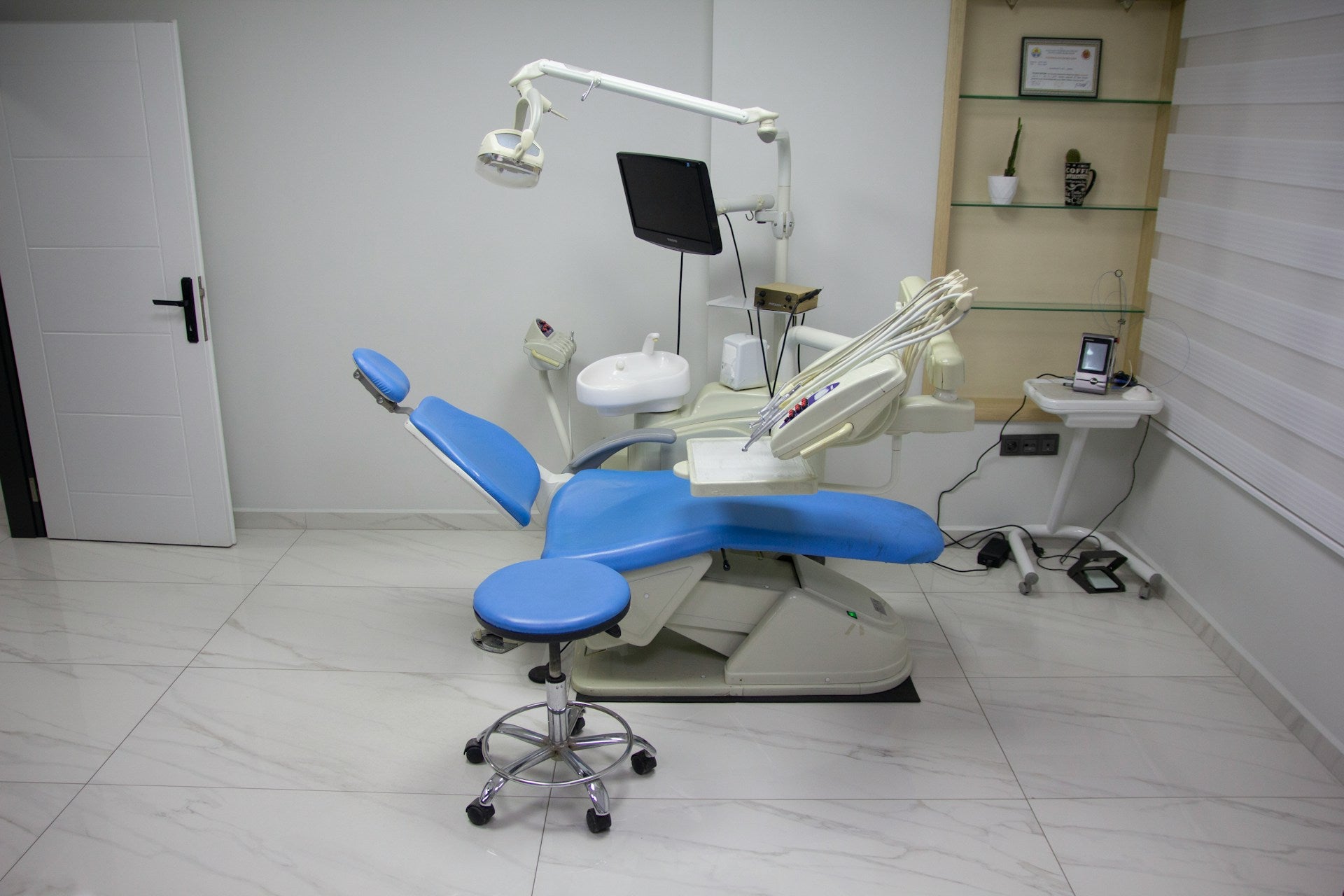
• Support items like over-the-patient instrument tables and dental carts make it easier to prep, sort, and clean tools between procedures
When everything is well organized and properly sterilized, our environment stays calm and focused. It means fewer delays and less chance of tool disruptions in the middle of an important procedure. Organization is crucial for meeting regulatory standards and ensuring safety between cases.
Maintaining clearly labeled trays, keeping cleaning stations well-supplied, and creating simple, repeatable systems all help veterinary staff move confidently from one case to the next. A smooth sterilization flow eliminates confusion, supports infection control, and ensures that no steps are missed during busy periods. By developing a routine for post-surgical cleaning, teams can reduce downtime and always have instruments ready at hand.
It is also important to create easy-to-follow schedules for equipment checks and maintenance. Regular inspections can prevent last-minute surprises, so tools that are worn, damaged, or need repair are replaced before becoming a problem in the operating room. Every clinic develops its own rhythm for maintaining cleanliness and safety, and the right routines foster staff confidence and reliability.
Types of Procedures That Shape Instrument Design
We often think of standard veterinary surgeries like neuters and spays, but that’s only part of what our equipment is used for. From dental work to treating injuries, the instruments we rely on are shaped by the variety of care we offer.
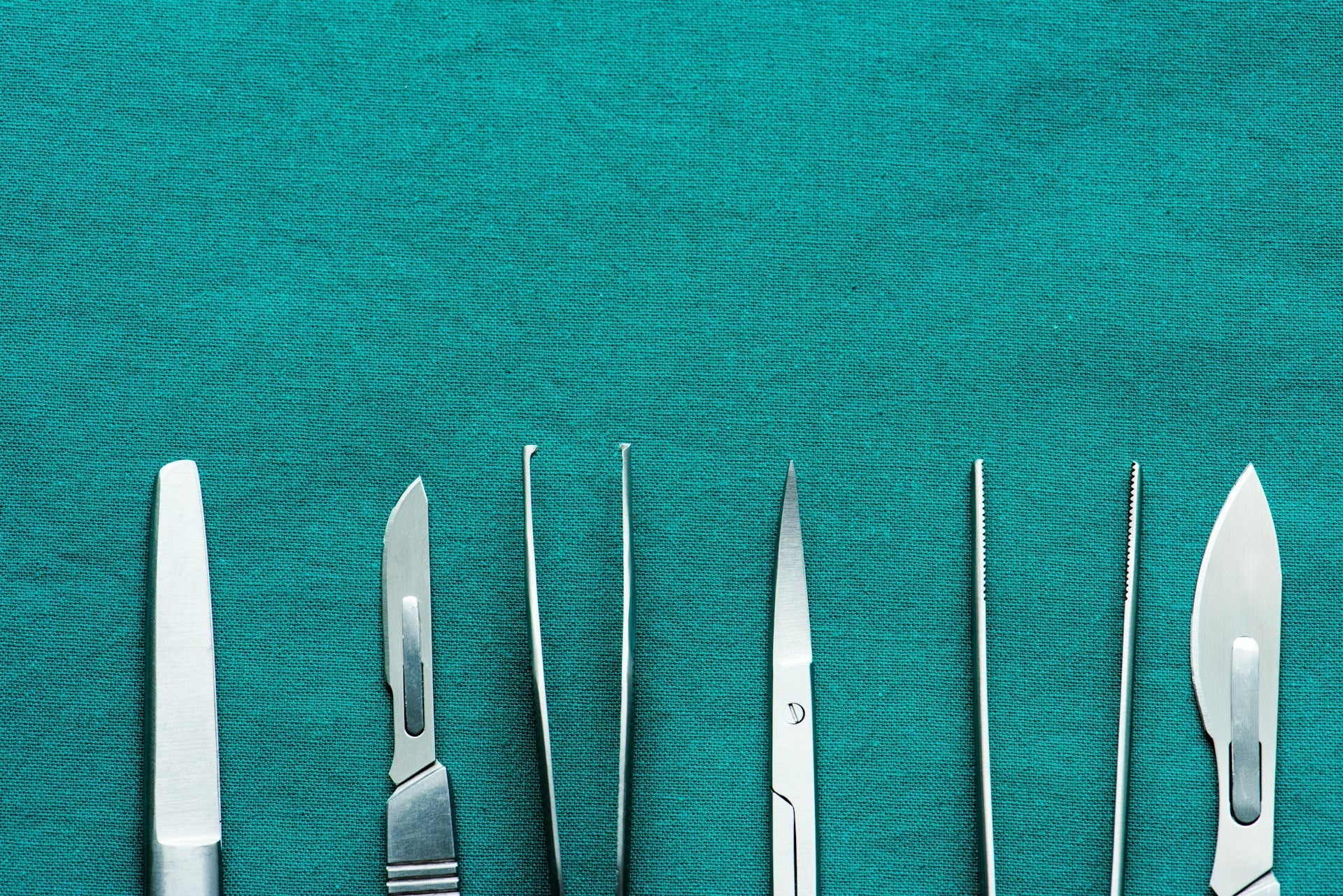
• Tunneling sets and surgical blades let us access areas beneath the skin without damaging surface structures
• Hemostasis tools help manage bleeding during delicate procedures, keeping the space clearer for closing or stitching
• Veterinary sutures are selected based on healing times that match the species and tissue type, not just a standard thread
Having access to the right tools for each type of case gives us more flexibility and confidence when treating different animals. Even a small difference in tool shape or tensile strength can make or break the success of a procedure. Understanding how each procedure influences instrument selection allows teams to anticipate needs with each new patient. Some procedures, especially those for exotic or less common species, may require specialized tools not found in standard surgical kits.
Veterinary dental procedures are another example where specific equipment makes a substantial difference. Smaller forceps, angled scalers, or delicate curettes can help provide thorough care for smaller mouths. Orthopedic work or tissue biopsies, similarly, often require implements designed for strength and precision tailored for distinct tissue structures. The ability to match an instrument’s design to the requirements of the case ensures higher success rates and fewer complications.
Adapting to unique cases adds extra skill and attention to detail. Teams that are familiar with their tools can adjust with ease when faced with new situations, whether that’s unusual injuries, emergency surgeries, or care for very young or old animals. Regular training and familiarization with new products further support ongoing skill development among team members.
Staying Confident in Your Surgical Setup
When our surgical instruments feel like the right fit for our patients, everything runs smoother. Knowing how veterinary surgical instruments differ from tools used in general medical or dental care helps us build clinics that support better outcomes and a less stressful workday.
From the basics to more specialized tools, having the right setup in place means we’re not scrambling. We can focus on caring for the animal in front of us, rather than adapting tools that weren’t meant for the job. The right fit supports steady hands, clear thinking, and stronger outcomes in every surgical procedure we take on.
At ProNorth Medical, we understand how important it is to have instruments that meet the specific needs of your animal patients. From precision cutting to dependable suturing, having the right tools helps make every procedure more efficient and less stressful. To support safer care and streamlined workflows, we offer a wide range of high-performance veterinary equipment designed to withstand the demands of your clinic. Getting set up with the right supplies is simple and straightforward. For guidance on what might work best for your setup, reach out to us anytime.

Leave a comment
This site is protected by hCaptcha and the hCaptcha Privacy Policy and Terms of Service apply.