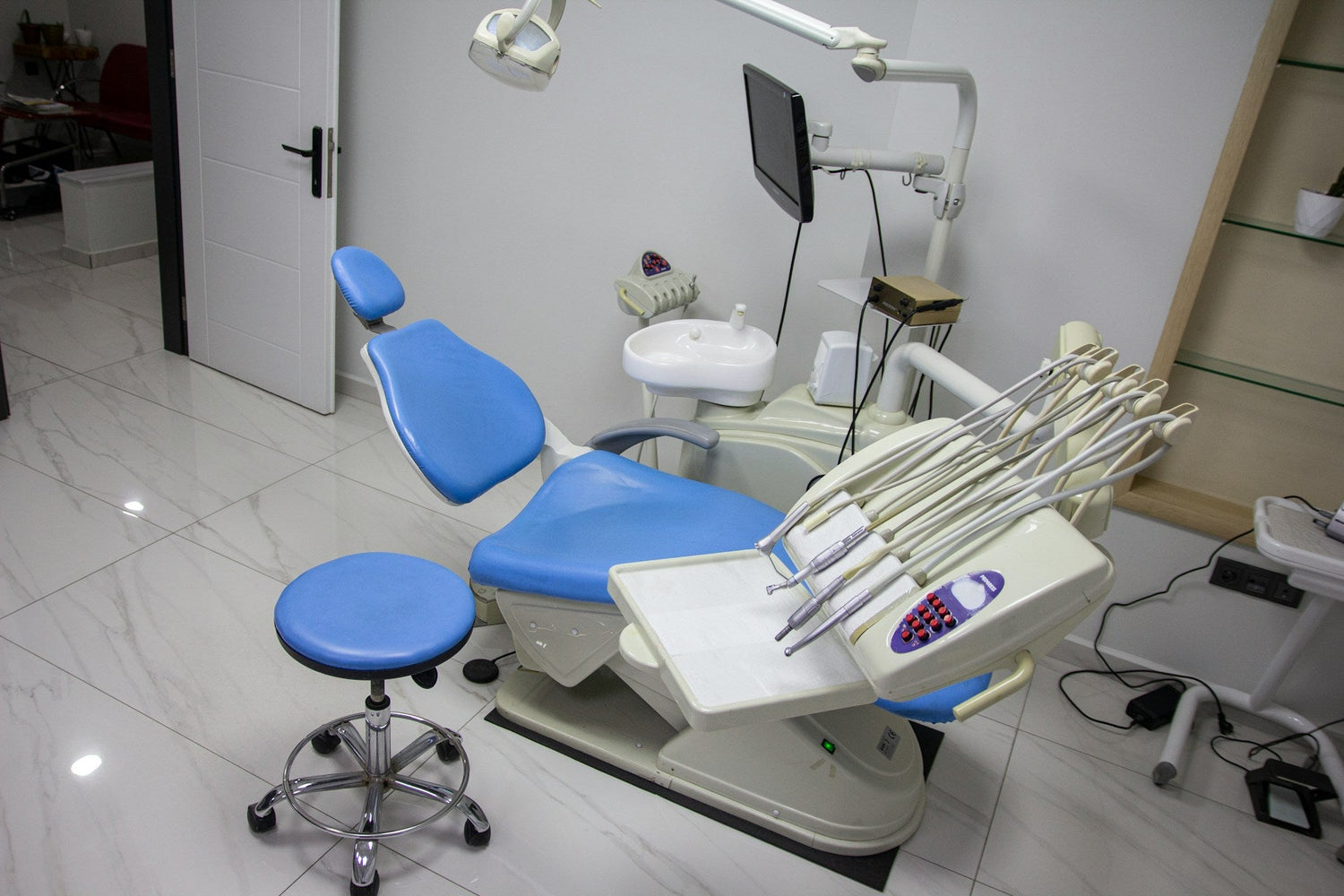
In dental clinics, how we sit can seriously affect how we feel by the end of the day. Whether we are handling quick exams or long restorative cases, the type of seating we choose plays a big role in that experience. That is why saddle stools have become a regular part of dental medical equipment setups. These stools do not just look different from other chairs, they support a balanced posture, help with mobility, and fit into the everyday rhythm of a busy practice.
We have noticed saddle stools showing up in more and more clinics lately. There is a reason they continue to grow in popularity. Let us walk through what makes this small but important tool so useful in a dental setting, especially for those of us who spend hours at chairside, day after day.
How Saddle Stools Support Better Posture
Most standard dental stools let us sit flat and sometimes even lean back slightly. Over time, that position pushes the lower back outward, which can lead to slouching. That kind of posture does not support the spine for long-term comfort. For dental professionals who work in a seated position for much of the day, that discomfort can add up quickly.
Saddle stools help address that by changing the angle of the hips and aligning the spine in a more natural shape. When we sit on one, our knees drop slightly, and our pelvis tilts forward just enough to help open up space in the lower back. It is a bit like standing, but without the effort.
Many of us notice that after switching to a saddle stool, we feel steadier and less tense in our shoulders and neck by the end of the day. That kind of support helps us stay present and focused during long procedures, rather than distracted by aches creeping in by mid-morning.
One thing that stands out is the way this improved posture isn’t just about short-term comfort. Keeping your back in a healthier position can help you feel better after work and even when you wake up the next day. Over weeks and months, small changes really add up, making a noticeable difference for those who spend so much time sitting and leaning forward.
Mobility and Access in Tight Dental Operatories
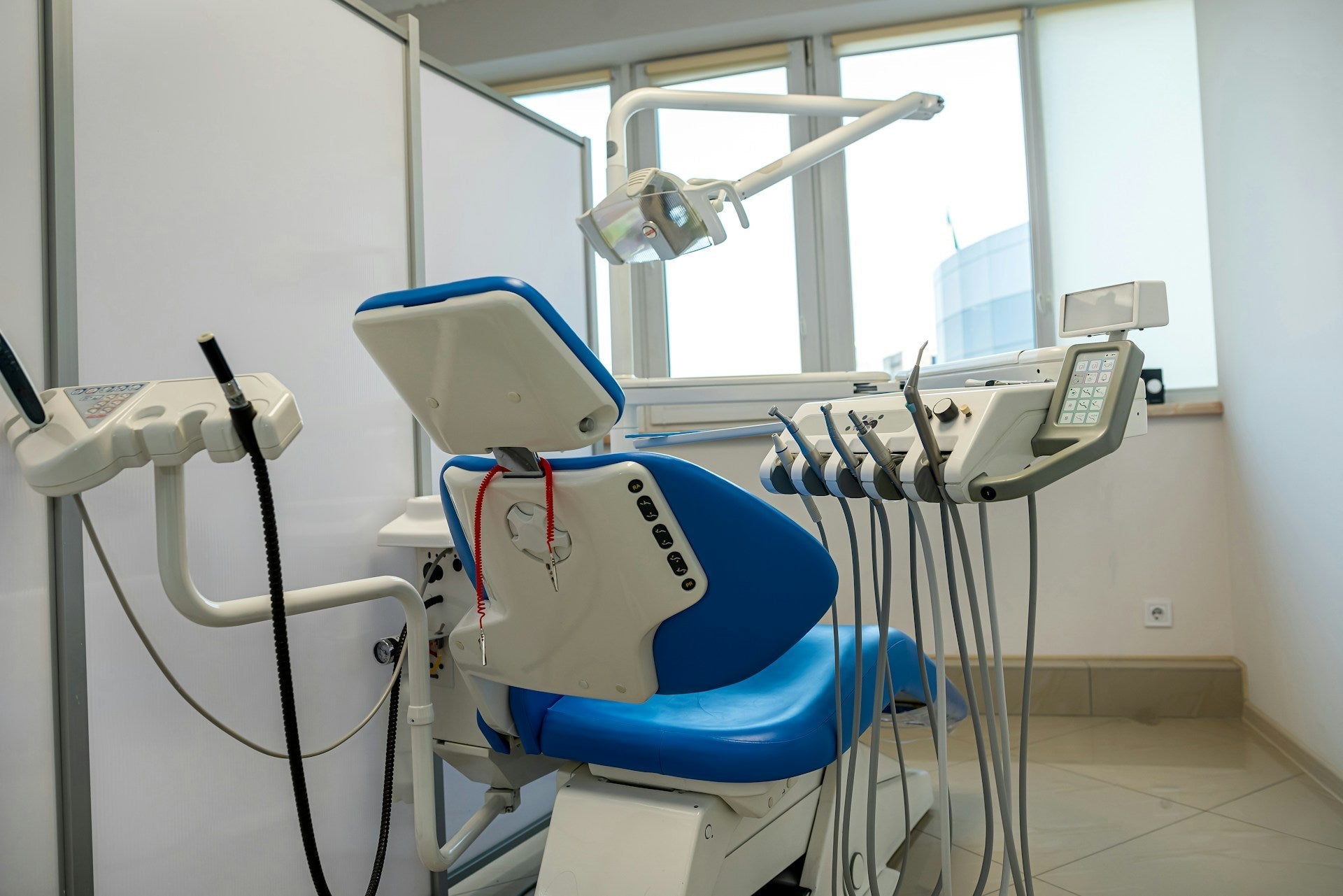
Dental operatories can feel quite snug. Between patient chairs, delivery units, and extra equipment, there is not always a lot of space to move around. A bulky chair that is hard to adjust or roll on can slow us down, and sometimes even get in the way.
Saddle stools usually have a slim base and a smooth-rolling design, making it much easier to move between stations or shift quickly to work from a better angle. They fit into tight corners without crowding the operatory, helping us stay close to where we need to be without unnecessary strain.
- Smaller footprint helps maintain mobility in narrow operatories
- Easy to roll between chairside, counters, and sink stations
- Height and base flexibility support efficient room setup
When we are able to move efficiently, it saves time and energy, which affects both how smoothly a procedure runs and how we feel afterward.
In many dental offices, there are moments when every inch matters. A stool that glides smoothly allows us to shift positions quickly if a procedure changes, or when a colleague needs to reach a supply or instrument. The combination of smaller size and free range of movement helps keep the workspace clean, smooth, and accident-free, even on busy days when several people are moving around the same area.
How Saddle Seating Impacts Focus and Endurance
Sitting for long periods, even with supportive gear, can still take a toll if blood flow is restricted. That pins-and-needles feeling in the knees or tightness in the lower back is not just uncomfortable, it can make it harder to concentrate or stay settled through a long appointment.
Saddle stools help by letting us sit a bit higher, with our thighs angled downward. That small shift opens up the hip joints and promotes better circulation in the legs. It keeps our muscles more awake and supported, even during lengthy cases.
- Encourages natural blood flow through legs and hips
- Reduces fatigue by supporting micro-movements and balance
- Helps maintain alertness for longer periods of time
For many dentists, the difference in how we feel mid-afternoon compared to mornings is enough reason to make the switch.
This type of seating also helps prevent that feeling of “dragging,” when exhaustion makes it tough to keep up the same quality of care through your last appointment of the day. When your legs are less likely to fall asleep or feel heavy, and you can shift your weight as needed, it is much easier to keep a sharp mind and steady focus.
Sometimes, the ability to subtly move or adjust yourself on a saddle stool provides momentary breaks that keep you refreshed. If you feel balanced and less weighed down, procedures flow smoothly, and you can pay more attention to both the patient’s comfort and your own.
Choosing the Right Saddle Stool for Routine Dental Tasks
Not every saddle stool is built the same. Before picking one, we look closely at how it fits into our daily work. Height control is important. If we are switching between operatory rooms or sharing space with others, being able to set the stool to match different patient chairs or counter heights adds flexibility.
We also pay attention to materials. A softer cushion might feel good for short checks but is not always best for full treatment days. The base should roll smoothly across dental flooring and feel secure when reaching or leaning.
- Look for solid, adjustable foot-operated or hand-adjusted height control
- Choose a stable five-leg base with smooth casters
- Consider how the materials feel after several hours, not just a few minutes
Finding the right fit might take a little trial and error. The right combination of comfort and stability really does support the work in a practical way. Selecting seating that fits your dental medical equipment setup helps bring harmony to the workday flow.
If unsure where to start, ask colleagues what works for them, or try out a few different models if possible. Staying with a stool that feels right, both at the beginning and the end of a long day, makes your whole work environment work better for you and your team.
A good stool may help each team member get in closer to the patient and reach instruments without needing to over-extend or twist. This ergonomic setup is especially helpful during procedures that require patience and careful, steady hands.
Confident Seating Makes a Difference
A well-set-up operatory is more than clean surfaces and tools within reach. It is about how the work feels once we sit down. From posture to patient access, a good stool helps us stay steady and aware during every part of a procedure.
For many dental professionals, saddle stools have become a quiet but dependable part of that routine. They form part of the larger picture of dental medical equipment we count on every day. When our seats support us well, it is easier to give patients our best, with less back strain and more energy hour after hour.
As practices evolve, the comfort of the team remains important. Supporting our teams with choices that help their bodies feel better can also lift the mood in the clinic, making the workday feel less like a marathon and more like a job well done.
Conclusion
While often overlooked, the seating choice in a dental clinic shapes daily experiences for every team member moving between patient care, record keeping, and conversations. Focusing on comfort and healthy posture by using the right saddle stool brings benefits not just in the physical sense, but also in how smoothly the entire practice operates. By investing a little thought into stool design, materials, and adjustability, every dentist and assistant can find a rhythm that works for their body and for their workflow.
Every detail in a clinic matters, and it is the combination of good habits, supportive equipment, and thoughtful setups that creates an environment where professionals feel at ease and patients can sense that their caregivers are at their best.
Upgrading your dental medical equipment can transform your clinic by improving ergonomics and efficiency with solutions designed for busy professionals. At ProNorth Medical, we help you find the right setup so your workspace supports both your team and your patients every day. Reach out to discover how we can enhance your clinic's equipment and overall care experience.

Leave a comment
This site is protected by hCaptcha and the hCaptcha Privacy Policy and Terms of Service apply.