
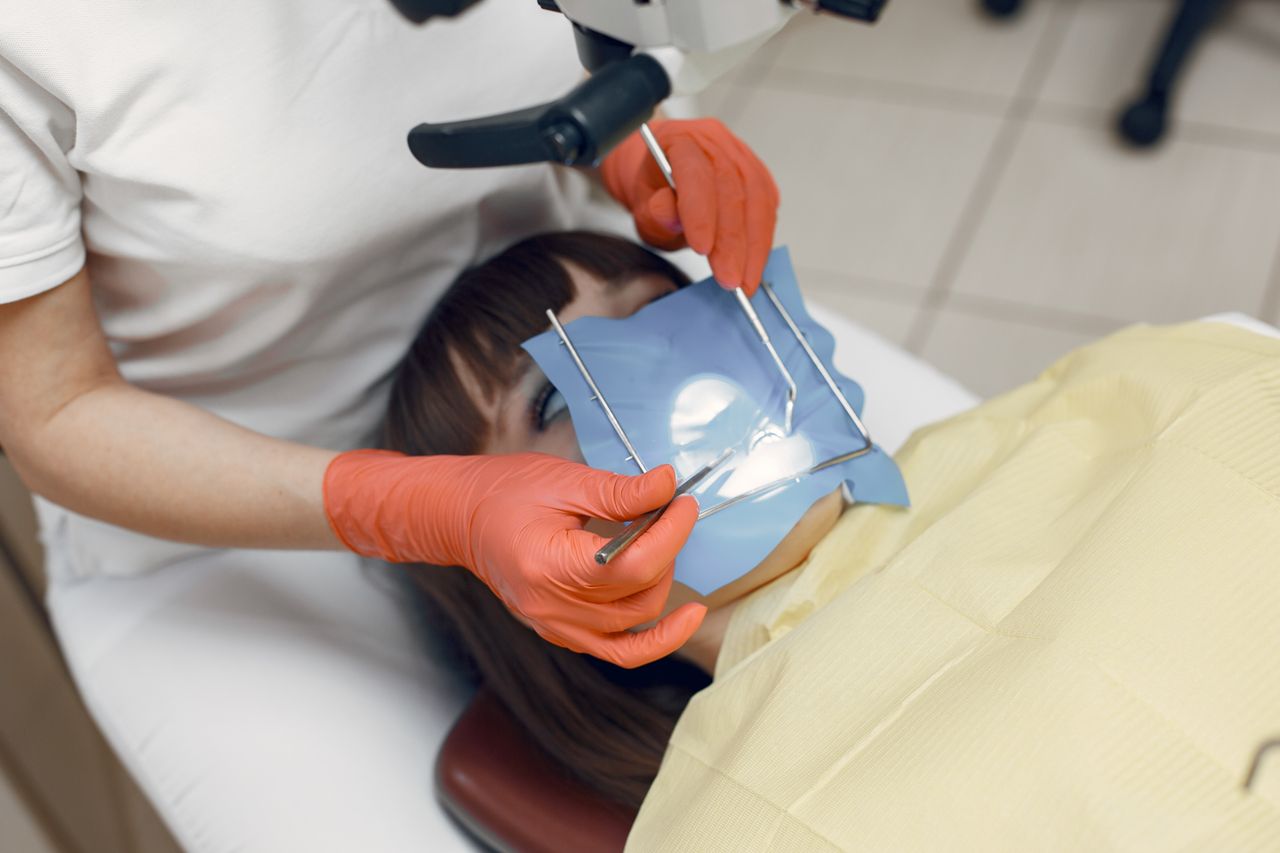
Stable Saddle Seating for Complex Endodontic Dentistry
Stable saddle seating is not a luxury in complex endodontics; it is part of how you protect your body and your precision. When an appointment stretches and access becomes demanding, a stool that lets you quietly slide forward can pull you out of your strongest working posture and into a constant micro-struggle with gravity. As a dental supply in Canada, we see every day how a well-set-up saddle stool can support concentration, control, and comfort through the entire procedure. In this article, we will look at why sliding happens, how to set up your stool and operatory to reduce it, and what to look for when you choose a saddle stool for complex endodontic work.
Our focus here is practical, not theoretical. We will talk about stool configuration, positioning with the microscope or loupes, and small seated habits you can adjust without changing your clinical approach. None of this is medical advice or a substitute for guidance from ergonomics or health professionals, but it can give you a clear framework to refine how you sit while you do highly detailed work.
Why Saddle Stool Stability Matters in Complex Endodontics
Complex endodontic procedures ask a lot from the operator. Long appointments, tiny working fields, and the need to maintain consistent visual access to the tooth put steady pressure on your posture and fine motor control. When you are shaping, irrigating, or obturating in tight anatomy, your hands, eyes, and breathing all benefit from a base that feels solid and predictable.
If your saddle stool gradually lets you drift forward, a few things tend to follow:
- Your pelvis tips more than you intended, which can pull your lumbar spine out of a neutral curve.
- Your arms start reaching to stay in the same working window, which can strain shoulders and wrists.
- Your concentration shifts, even slightly, from the tooth to your discomfort or balance.
Stable seating is part of a larger system. Equipment you choose through a trusted dental supply in Canada can support better positioning, but technique and setup remain just as important as the stool itself. A good saddle stool only reaches its potential when height, angle, foot placement, and operatory layout are working in the same direction.
Understanding Slid-Forward Posture on Saddle Stools
Slid-forward posture is easy to recognize once you know what you are looking for. Instead of sitting in the centre of the saddle with your weight evenly supported, your pelvis drifts toward the front edge of the seat. You feel extra pressure on your thighs, your feet creep forward, and your upper body starts to lean into the patient.
Common contributors include:
- Stool height set too low, which flattens the hip angle and encourages forward creep.
- Seat pan tilt that is too steep, pushing you toward the pommel.
- Limited or inconsistent foot contact with the floor.
- Working too far from the patient or microscope, so you subtly chase your visual field.
It helps to distinguish between a healthy forward pelvic tilt and a slipping posture. A gentle forward tilt can help maintain a natural lumbar curve and upright chest. An unstable slide, on the other hand, feels like you are constantly catching yourself, adjusting your feet, or pushing back onto the stool. That ongoing correction can quietly pull energy and focus away from the procedure.
Setting up the Saddle Stool for Endodontic Precision
Before you even pick up a file or handpiece, the way you set your saddle stool can influence whether you feel secure or unsettled an hour later. A simple sequence can make a noticeable difference.
Start by:
- Adjusting stool height so your hips sit slightly above your knees, creating an open hip angle.
- Sitting in the centre of the saddle with weight shared between seat bones and inner thighs.
- Placing your feet under or just behind your hips, not in front of your knees.
From there, small changes to seat angle and rotation can help reduce sliding. A mild forward tilt can support a natural lumbar curve, but if you feel your body drifting toward the front of the stool, level the seat slightly until that sliding sensation eases. Rotating the stool so you are not twisting through your spine to see the tooth is just as important.
Modern saddle stool designs available through a dental supply in Canada often include ergonomic contouring, textured upholstery, and accessible adjustment levers. These details can help you fine tune friction and support so the seat feels more like a stable platform than a slippery surface. When your stool is dialled in, it supports the kind of precision you rely on for work like apical preparation, complex canal systems, and careful obturation.
Positioning with the Patient, Microscope and Operatory Layout
Even the best configured saddle stool cannot fully compensate if you are constantly reaching for the patient or the microscope. The relationship between your stool, the patient chair, and your magnification system strongly affects how likely you are to slide.
A few practical strategies include:
- Bringing the patient closer instead of leaning toward them, where clinically appropriate.
- Adjusting the chair backrest angle so the tooth is presented in a way that fits your natural sitting height.
- Aligning the microscope or loupes to you, not forcing yourself to adapt to a fixed scope position.
Operatory layout also plays a role. If you are twisting for instruments, turning repeatedly to an awkwardly placed cart, or stretching to reach files and other small items, your body will tend to inch forward on the stool. Planning mobile cart placement and instrument reach so most items are available within a comfortable arc can help you stay centred on the saddle.
Building Better Seated Habits During Long Endodontic Sessions
Even with ideal equipment, habits decide how you feel by the end of a complex case. Periodic self-checks do not need to interrupt your flow. They can be quick mental notes during natural pauses.
You might briefly scan for:
- Pelvis position: are you still in the middle of the saddle or closer to the front edge?
- Foot placement: are your feet still under you or creeping forward?
- Spine alignment: are you leaning or twisting more than you intended?
Between stages of treatment, such as moving from access to working length determination to obturation, you can add short, equipment-based resets. A small change in stool height, a click of seat angle, or a subtle repositioning of the patient chair can reset your base of support. Educational resources and ergonomics focused products from a dental supply in Canada can help you explore these options, but your own judgment and any advice from ergonomics professionals or healthcare providers should guide what is appropriate for you.
Choosing a Saddle Stool That Supports Endodontic Focus
When it is time to replace or standardise your saddle seating, design details matter. For complex endodontics, dentists often look for:
- An adjustable height range that suits their stature and typical patient chair positions.
- A stable base with casters selected for their flooring type.
- Ergonomically contoured seating that supports the pelvis without sharp pressure points.
Material quality, stitching, and seat shaping all influence friction and support. A slightly textured surface can provide more grip than a very slick one, which may help limit unwanted sliding once your stool is correctly set. Thoughtful shaping around the pommel and thighs can distribute pressure more evenly so you feel anchored rather than perched on an edge.
At ProNorth Medical, we focus on providing equipment that can integrate into the way you already work. Our dedicated saddle stool page at saddle stool highlights options designed for clinical environments, alongside other essentials such as surgical staplers that support procedural efficiency in different specialties. For endodontic practices, choosing a stool that fits both your body and your operatory layout can make complex cases feel more manageable and less physically draining.
Creating a More Stable Endodontic Operatory
Stability on a saddle stool is rarely about one big change. It usually comes from a mix of choices that support each other: a stool with thoughtful design, careful setup, an operatory arranged for comfortable reach, and seated habits that you tune over time. When those pieces line up, the tendency to slide forward tends to fade into the background, and your attention can stay where you need it on the details inside the tooth.
A practical next step is to look at your current configuration and pick one or two specific adjustments to test during your upcoming endodontic sessions. That might be a slightly higher stool, a subtler seat tilt, a closer patient position, or a small shift in microscope alignment. Over time, these small experiments can help you build a seating strategy that supports both your clinical precision and your long term comfort in the operatory.
Upgrade Your Operatory Comfort And Efficiency Today
If you are ready to improve ergonomics and support long-term comfort for your team, we are here to help you choose the right saddle stool for your practice. At ProNorth Medical, we focus on quality equipment that supports better posture, productivity and patient care. Explore our dental supply in Canada options designed specifically for Canadian dental professionals. Reach out to our team for guidance on sizing, configuration and next steps so you can equip your operatory with confidence.

Leave a comment
This site is protected by hCaptcha and the hCaptcha Privacy Policy and Terms of Service apply.