
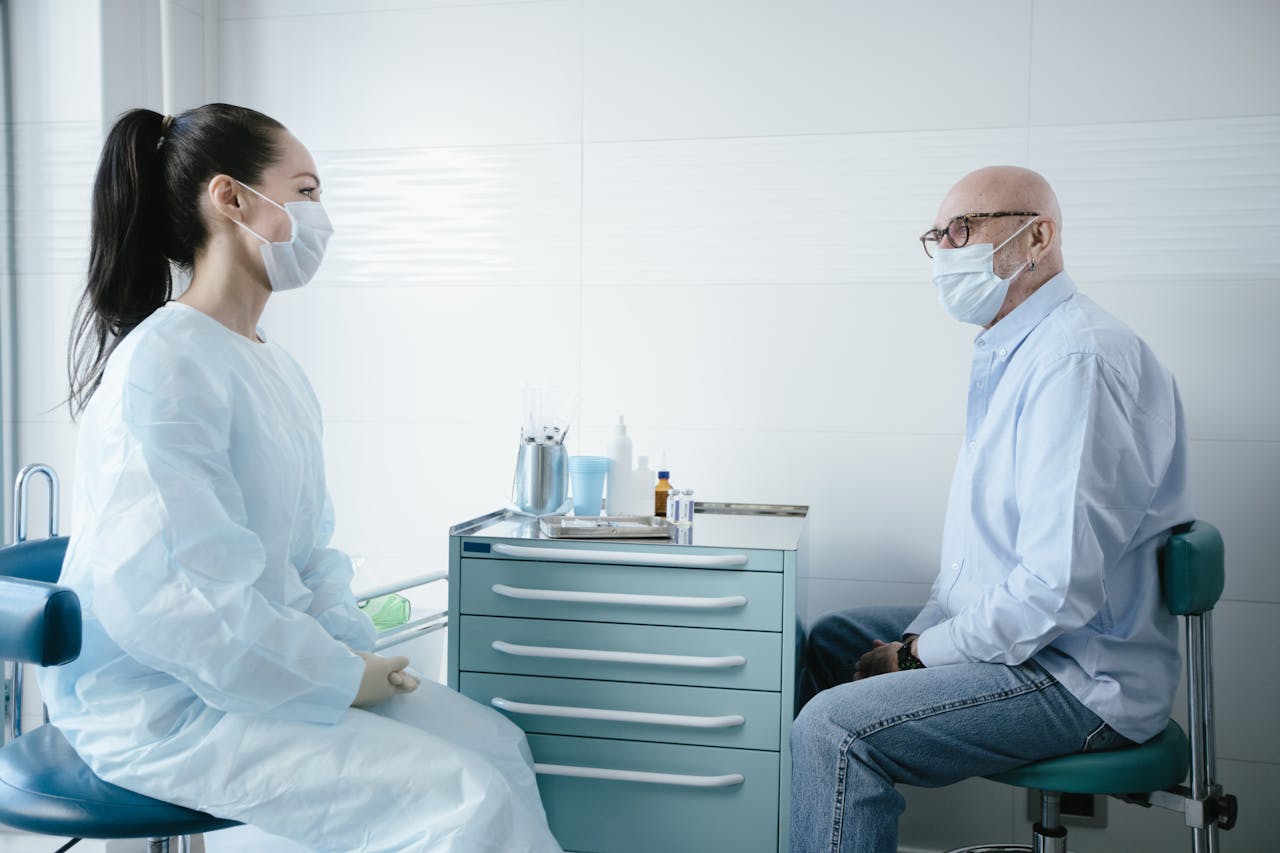
Poor stool ergonomics can make a clinic day feel twice as long. When our seating does not fit us, dentists end up with low back pain, hip strain, neck tension, and tired shoulders before lunch. A saddle stool that fits our body and work style can help support better posture, more comfort, and steadier hands at the chair.
Spring and early summer are a smart time to reassess seating. Schedules pick up, new grads join the team, and many practices in Canada freshen up operatories while the weather finally cooperates. In this guide, we will walk through a simple stool ergonomics checklist, with a focus on saddle stools, so dental professionals can tune seat height, tilt, and footring position for different body types and daily procedures.
Avoid Pain and Fatigue with a Better Saddle Stool Fit
When a stool is too high or too low, our whole body has to compensate. We start hunching, twisting, and reaching. Over time, that can feed into chronic aches that follow us home from the operatory.
A better fit saddle stool helps support:
- A more neutral spine
- A more open, comfortable hip angle
- Relaxed shoulders and neck
- Less pressure on knees and feet
Spring and early summer often bring longer treatment blocks, more hygiene visits, and more complex restorative work. If we are already pushing through busy days, it makes sense to check if our stool is helping or getting in the way. The goal is not perfection, but a setup that works with our body, not against it.
Match Stool Height to Your Body and Procedure Demands
Height is the foundation of a stool ergonomics setup. If stool height is off, everything above the hips has to adjust, and that is where stress on the spine and upper extremities builds.
Here is a simple way to set basic height:
- Feet flat on the floor or fully supported on the footring
- Hip angle roughly between 90 and 120 degrees
- Spine tall but relaxed, not slumped or overarched
- Shoulders down, forearms roughly parallel to the floor when working
For shorter clinicians, dangling feet are a common problem. A footring stops the legs from hanging, which can pull on the lower back and hips. The key is to keep knees just below hip level, without stretching so far that the pelvis tips forward too much.
For taller clinicians, a standard cylinder can force deep hip flexion that crowds the front of the hips and pulls the back into flexion. A taller gas cylinder and, when possible, adjusting the patient chair height, helps keep the hips more open without bending forward at the waist.
Different dental tasks may call for slightly different heights:
- Static chairside work, like hygiene and detailed restorative, usually needs a stable, repeatable height that lines the eyes and hands up with the oral cavity.
- More dynamic work, like exam-room consults or moving between rooms, may need a slightly lower, more mobile position.
- Procedure-heavy days, like surgery prep or long endodontic sessions, may work best with a slightly taller seat and more open hip angle.
Fine-Tune Seat Tilt for Hip Comfort and Spine Support
Once height is set, seat tilt shapes how the pelvis stacks the spine. Even small changes here can make the lower back and hips feel very different over a full schedule.
A practical tilt approach:
- Use a slight forward tilt to open the hip angle and encourage a gentle lumbar curve, especially during longer procedures.
- Avoid strong forward tilt that makes you slide forward, digs into the front of the thighs, or overarches the lower back.
- Use neutral or a slight backward tilt when you need to work closer to the patient or adjust over a larger head and neck area.
Body type matters. Hypermobile or low-back-sensitive clinicians often do better with a more neutral tilt and extra awareness of not relaxing into end range. Those with tight hip flexors or past hip discomfort may appreciate a touch more forward tilt that feels like a relaxed rider posture.
It also helps to make small micro-adjustments during the day. A single tilt setting for every patient and every procedure rarely feels good in warm-weather stretches when clinic days run long.
Set Footring and Leg Position for Stable, Active Sitting
The footring is not just a perch for the toes, it is a key support for active sitting, especially with saddle stools that are used at higher working heights.
For setup, aim for:
- A height where the full foot can rest, not just the toes
- A slight knee bend, without letting legs dangle
- Knees that track in line with hips and feet, so rotation feels smooth and controlled
- A mix of floor support and footring support as you shift between positions
Dental and hygiene professionals often rotate quickly between the patient, the tray, and the monitor. Stable foot support lets the hips and trunk rotate together, rather than twisting only through the spine. Veterinarians who sometimes work at higher exam tables face similar needs.
Many medical clinicians also split time between procedures and documentation. Rolling between the workstation, the patient, and nearby equipment is easier when both feet are supported and ready to push.
Adjust for Your Unique Body Type and Daily Workflow
There is no single perfect saddle stool fit for every dentist in the operatory. Features like saddle width, contour, tilt range, and cylinder height all interact with your build and your schedule.
Common patterns to think about:
- Petite clinicians often do best with a narrower saddle, a shorter cylinder, and steady use of a footring. Height should allow good access to the oral cavity without lifting the shoulders toward the ears.
- Tall or long-legged clinicians may choose taller cylinders and sometimes a wider saddle. Matching exam chair or dental chair height to this setup helps prevent constant forward bending.
- Clinicians with broader hips or larger frames need a saddle that supports without pinching. Tilt may need a little extra attention to avoid forcing the hips into too much external rotation.
Workflow matters too. On fast days, when procedures stack up, we might skip tiny adjustments. A simple reset routine between patients, even if it is just checking height and footring, can make a difference. In shared rooms, it helps when every clinician has a quick personal checklist so the same stool can adapt to very different bodies.
For other ergonomic upgrades in the operatory, many practices also refine instrument choices, from suture selection for oral surgery to the way they set up stapling tools in procedural spaces.
Lock in Your Ideal Setup and Recheck Each Season
Once you find settings that work, capture them. Some clinicians mark preferred cylinder height on the pole, note the general tilt position, and record footring height. A few quick photos of your posture from the side can also help you return to a good setup after someone else uses the stool.
Ergonomic needs can shift with new equipment, changes in patient mix, or the longer chairtime that often comes with busy summer stretches. Seasonal tune-ups are a simple habit that keeps your saddle stool working for you instead of against you. When it is time to update seating, it helps to look at adjustable saddle stools that are built for medical, dental, and veterinary work, like the options at ProNorth Medical, so your posture can support many more years of practice.
Fine-Tune Your Saddle Stool For Healthier, Pain-Free Workdays
If you are ready to apply what you have learned about stool ergonomics, we are here to help you get the right fit from day one. At ProNorth Medical, we select saddle stools that support healthy posture across different clinician body types. Explore our adjustable options so you can confidently set seat height, tilt, and footring for your needs. When your stool works with your body instead of against it, you can focus more fully on your patients and less on discomfort.

Leave a comment
This site is protected by hCaptcha and the hCaptcha Privacy Policy and Terms of Service apply.