

A dental emergency does not have to wreck your whole day. With a solid backup kit and a simple system to keep it fresh, your team can handle broken tools, surprise extractions, or urgent repairs without scrambling or canceling patients.
In this guide, we will walk through what to stock in a dental emergency backup kit, how to rotate supplies so nothing expires at the back of a drawer, and how to get your team comfortable using it. The goal is simple: steady chair time, calmer staff, and fewer delays across your schedule, even during busy summer and back‑to‑school seasons in Canada.
Stop Emergencies From Derailing Your Dental Schedule
One broken handpiece or a missing pack of sutures at 3 p.m. can throw off the rest of the day. Appointments back up, patients wait longer, and your team feels rushed and stressed. A well-planned emergency kit and dependable dental tool supply turn those moments into quick course corrections instead of full‑blown crises.
A strong backup plan helps you:
- Keep surgeries and extractions on track
- Avoid last‑minute cancellations
- Protect the patient experience, even when things go wrong
We will focus on clear, simple steps you can use right away in a busy general or surgical dental practice.
Core Must-Haves for Every Dental Emergency Kit
Your emergency kit should live in one easy‑to‑grab spot, clearly labeled, and restocked often. Start with three categories: infection control, clinical consumables, and comfort and safety.
Infection control items might include:
- Extra barriers and tray covers
- Masks and gloves in common sizes
- High‑level disinfectant wipes and sprays
- Sterilization pouches and biological indicators
These help you keep any backup instruments safe for use and compliant with your infection control protocols.
Next, add clinical consumables that match the urgent work you actually do. Many clinics keep:
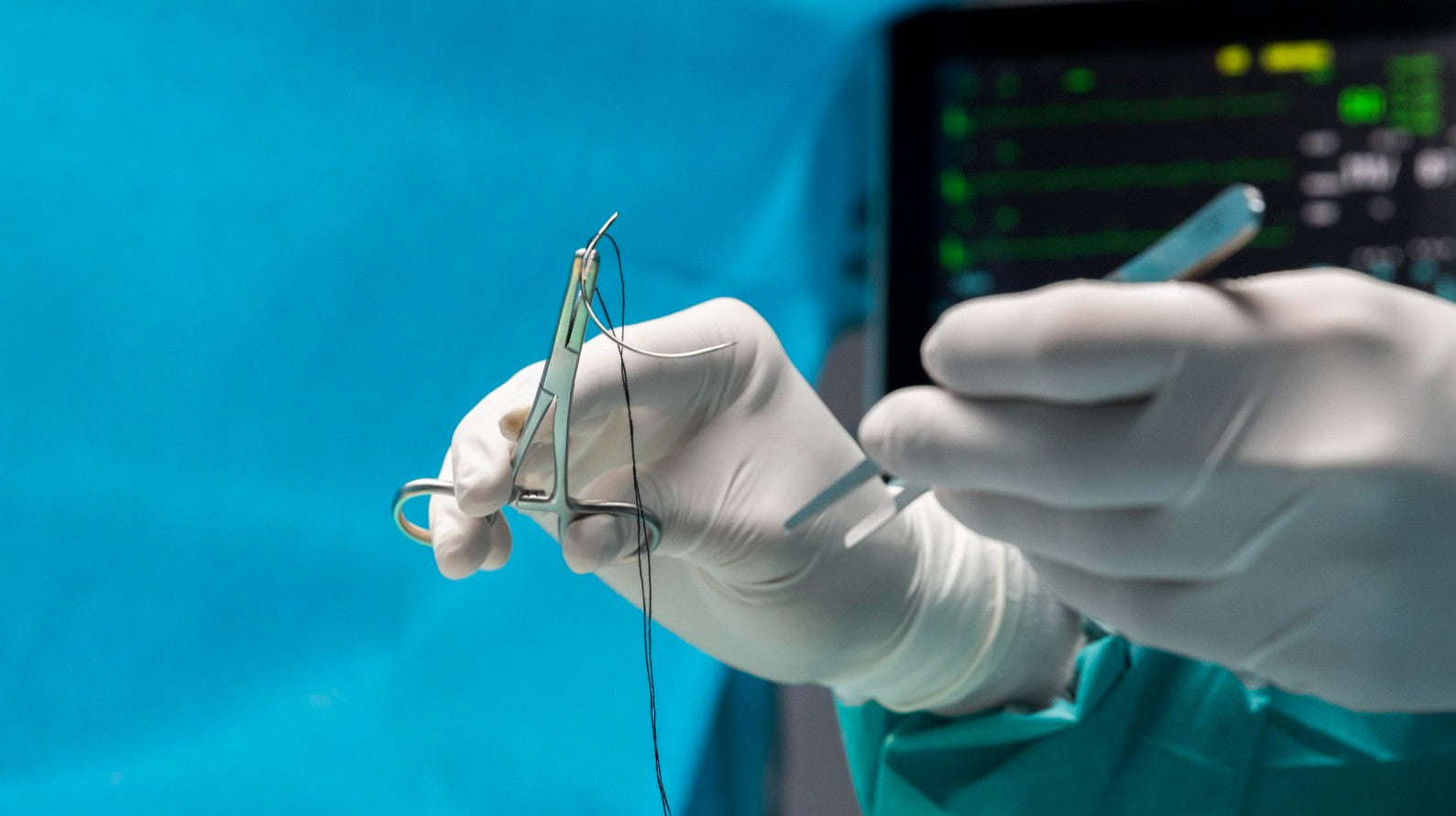
- Assorted sutures for different tissue types and sites
- Gauze in several sizes
- Hemostatic agents
- Local anesthetic carpules and needles
- Temporary restorative materials and matrix bands
It can help to standardize brands across your regular operatory and your kit so everything feels familiar to your team. If your practice often performs surgical procedures, consider a range of dental and medical sutures that fit your typical cases.
Finally, stock comfort and safety items. Even under pressure, your patients should feel cared for:
- Bite blocks
- Saliva ejectors and cotton rolls
- Retractors
- Protective eyewear
- Disposable bibs
These small details make emergency visits feel just as organized as any routine exam.
Backup Instruments That Save Critical Chair Time
Some tools are single points of failure. If they are down, the whole procedure stops. Your emergency kit should include backups for these first.
Instrument backups often include:
- Mirrors, explorers, scalers, and curettes
- Extraction forceps and elevators
- At least one spare basic surgical kit for extractions or minor surgeries
Keep these pre‑wrapped and clearly marked so they are ready to go the second you need them.
Then look at small equipment and handpieces. Many clinics keep:
- One backup high‑speed handpiece
- One backup low‑speed handpiece
- Extra burs and contra‑angles
- Spare tips for ultrasonic scalers and air/water syringes
If your team uses stapling devices for certain cases, having a small reserve of surgical staplers can prevent delays when a patient shows up with an urgent need.
Do not forget your body. Longer emergency appointments are hard on the back and neck. Keeping an extra ergonomic stool, such as a dedicated saddle stool, in good condition helps dentists and assistants stay comfortable and accurate when a case runs long.
Building a Smart Dental Tool Supply Rotation System
A great kit only stays great if you keep it fresh. You do not need a complex program, just a simple system your team can actually follow.
Start with clear labeling and dating:
- Color‑code shelves or bins
- Mark each box with received, opened, and expiry dates
- Keep a simple “shelf map” taped inside the cabinet door
Next, use first-in, first-out. Every month, move older anesthetic, sutures, and medicaments from the emergency kit into daily use. Refill the kit with the newest shipment. That way, the kit always holds fresh items, and you are not throwing away expired stock.
For tracking, you can use your practice software notes or a basic spreadsheet. Record:
- Minimum quantities for key items
- Normal supplier lead times
- Seasonal adjustments for summer, holidays, and school periods
Here in Canada, summer often means more sports and outdoor injuries, while winter storms can disrupt deliveries, so planning buffer stock around those times makes a difference.
Training Your Team and Staying Ready All Year
Supplies alone will not save your schedule. Your team needs clear roles and practice.
Choose a “kit champion” or small team to:
- Check expiry dates monthly
- Log anything that is used
- Trigger reorders when stock hits your set minimums
Short drills help a lot. Once a quarter, have the team walk through:
- Locating the kit
- Setting up for a common urgent procedure
- Recording what was used right after treatment
Finally, tune your kit season by season. In spring and summer, plan for more sports‑related injuries and staff vacations, and slightly increase sutures, surgical instruments, and analgesics. In fall, back‑to‑school rushes and after‑school appointments can mean more last‑minute visits, so stock extra disposables and restorative materials. Before winter holidays, make sure the emergency kit is full and organized, since weather and holiday closures can tighten your schedule.
When you take a little time now to set up your kit, define ownership, and create a simple rotation habit, your next dental emergency feels less like a crisis and more like just another procedure you are ready to handle.
Keep Your Dental Emergency Kit Ready For Every Procedure
Stocking an organized emergency backup kit helps you avoid delays, protect patients, and keep your schedule on track. At ProNorth Medical, we make it easy to refill key items with our carefully selected dental tool supply options tailored to professional workflows. Review your current kit against your checklist, identify gaps, and plan a rotation schedule so nothing expires on the shelf. When you are ready to refresh inventory, we are here to help you order quickly and confidently.


Leave a comment
This site is protected by hCaptcha and the hCaptcha Privacy Policy and Terms of Service apply.