
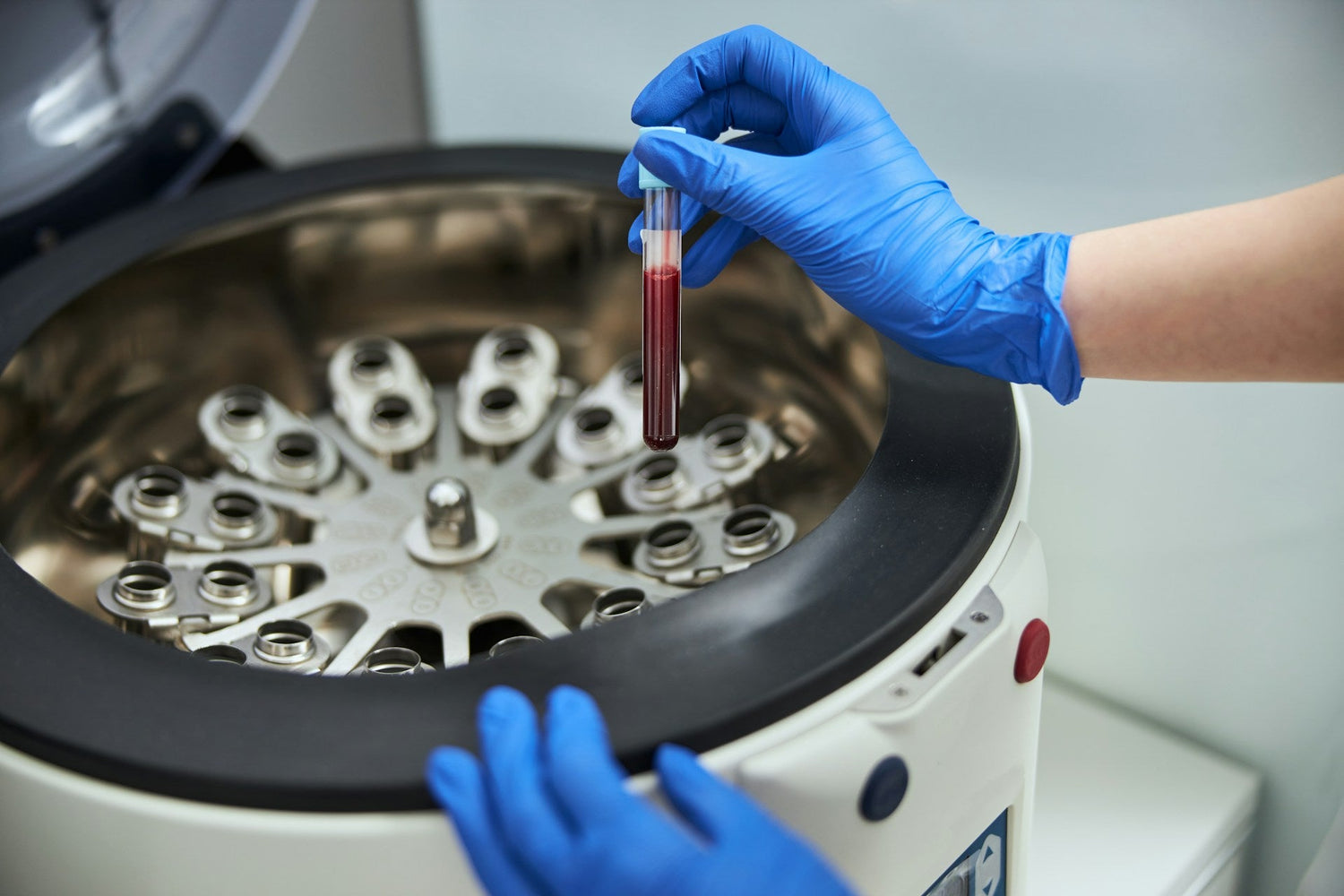
As we head into the winter holidays, lab schedules often shift. Reduced hours and short-term closures are common in clinics, hospitals, and vet practices. While it's nice to slow down, one thing that doesn't take a break is the need for sample processing. That’s why having a plan in place for using key equipment like a medical centrifuge becomes so important this time of year.
A centrifuge is often a central part of lab flow, used for separating fluids or prepping samples with time-sensitive components. When fewer people are on-site or full shutdowns are planned, we need to think ahead to keep things running safely and smoothly. Managing workload, storage, and maintenance can make a big difference once the schedule goes into holiday mode.
During this season, balancing holiday downtime with the constant needs of a busy lab requires extra attention to detail. Even as schedules change, it's important to remember that critical tasks, such as sample preparation, still depend on well-cared-for equipment. Making small adjustments before the holidays can prevent future headaches and keep laboratory routines on track.
Planning for Reduced Access to Lab Equipment
Before holiday closures start, it helps to step back and map out which teams rely most on the centrifuge. Some departments may need access daily, while others only use it when major testing happens. Knowing who needs what allows us to start early and avoid last-minute stress.
We like to:
• Check with departments that regularly process blood, cultures, or critical liquids
• Put together a list of urgent tests and move them forward if they're deadline-sensitive
• Build a light maintenance routine if the centrifuge won’t be used for a few days so settling dust or minor residue doesn’t cause problems later on
This prep keeps things predictable, especially if something unexpected pops up during the slow period. Early communication and planning help teams avoid being caught off guard. When everyone is on the same page, it’s easier to divide necessary tasks and keep essential lab activities running, even if staff numbers are lower than usual.
Proper Storage and Shutdown of Centrifuges During Closures
If the centrifuge will sit unused during part of the winter break, it makes sense to store it properly. Even a few days of cold air or inactivity can affect performance when it gets going again.
Here are a few storage habits we’ve found useful:
• Wipe down all visible surfaces and empty the rotor of any leftover fluid
• Leave the lid open slightly to prevent condensation buildup if your lab gets chilly
• Unplug or safely power it down using the shutdown sequence recommended by the manufacturer
• Document the last day it was used and when it was cleaned, so there’s no guesswork later
Since temperature changes can affect internal parts, extra care during winter closures helps protect the instrument and extends its lifespan. Taking time to do these steps doesn’t just safeguard the centrifuge, it also helps everyone stay organized and ready for action once the new year begins.
Even a small checklist taped by the machine can provide peace of mind if different staff members handle closing duties. That way, nothing is overlooked, and restarting is faster and safer when operations resume.
Managing Sample Flow with Limited Staffing
Fewer people around means we need to assign priority for which samples can wait and which can't. Not all labs fully close over the holidays, but even partial shutdowns can delay normal turnaround times.
To stay on top of things, we usually:
• Assign one or two staff members to check the lab at set times if the building stays open
• Batch low-priority samples to be processed first thing after reopening or hold at safe temperatures
• Keep high-priority tests labelled and stored apart from long-term holds so nothing is missed or confused
A clear system helps us stay focused, even when the calendar is packed and the staff rotation is thin. Consistent labeling and organized storage become even more critical in these periods. Advance planning for sample workflow avoids confusion and backlogs once normal operations return. It also keeps high-priority lab services moving forward, so patient care is never compromised when schedules are tight.
Winter Shipping Logistics for Replacement Parts and Service
Planning ahead for winter deliveries is a big part of avoiding problems. Weather, holidays, and courier slowdowns can all affect how quickly parts show up if the centrifuge needs a replacement.
We’ve learned to:
• Double-check our current stock of tubes, caps, and accessories in early December
• Take a visual look at rotors, seals, and connectors to flag anything worn down
• Expect that deliveries may take an extra few days, especially in colder areas or over long weekends
Since shipments sometimes get held up across provinces or borders, stocking up early prevents scrambling and keeps routines stable. By placing orders or checking inventory before the rush, labs can avoid downtime from missing an important item. Even having an extra set of commonly used parts on hand can make a big difference if unexpected wear is discovered right before the break.
Understanding delivery patterns and keeping extra supplies helps teams adapt quickly, especially when outside factors slow down shipping. It’s one less thing to worry about during busy times of year.
Restarting the Centrifuge After a Winter Break
Once the lab is open again, we don’t rush to use the centrifuge without checking it first. Sitting idle, especially in lower temperatures, can create small issues that grow over time.
We run through a simple restart list:
• Look for dust, moisture, or residue around the lid, rotor, and chamber
• Run the machine empty at low speed for a short cycle to check balance and movement
• Make note of any odd sounds or imbalance so adjustments can be made before regular use
• Recalibrate if your normal protocol requires high precision settings
If something doesn’t feel right, we hold off on sample runs and bring in support before continuing. That keeps downstream tasks from being impacted by early damage we might have missed.
Having an easy-to-follow restart routine saves time and helps avoid problems. It also builds staff confidence, no one wants to risk samples or equipment on a first run after downtime. Documenting the first post-holiday cycle is helpful, so any concerns can be addressed quickly. This process keeps lab operations progressing smoothly and limits the chance of errors that could affect sample quality.
Keeping Workflows Smooth During the Winter Slowdown
When staffing drops or the lab closes for part of the winter season, having a solid workflow for using and storing a medical centrifuge helps keep everything on track. From maintenance checks to planning ahead for tests, these small steps protect equipment we count on when service returns to normal.
Staying ahead of sample needs, shipping delays, and idle downtime ensures a smoother restart later on. A few quick routines go a long way in keeping lab goals moving even in the quietest parts of the year.
Whether it’s double-checking supplies, planning test schedules, or simply adding extra notes to checklists, small preventive steps can minimize stress and confusion. These habits not only help protect high-value equipment, but also streamline the transition between holiday slowdowns and regular work hours.
Encouraging staff to share observations and tips about the centrifuge’s performance creates a supportive environment, leading to fewer surprises as everyone gets back into the lab routine.
At ProNorth Medical, we understand how important it is to keep your lab operations efficient, especially during slower periods. When reviewing equipment or preparing for winter shutdowns, the right medical centrifuge keeps daily tasks on track and supports your workflow before and after breaks. For guidance on optimizing your setup or planning ahead, reach out to us today.


Leave a comment
This site is protected by hCaptcha and the hCaptcha Privacy Policy and Terms of Service apply.