
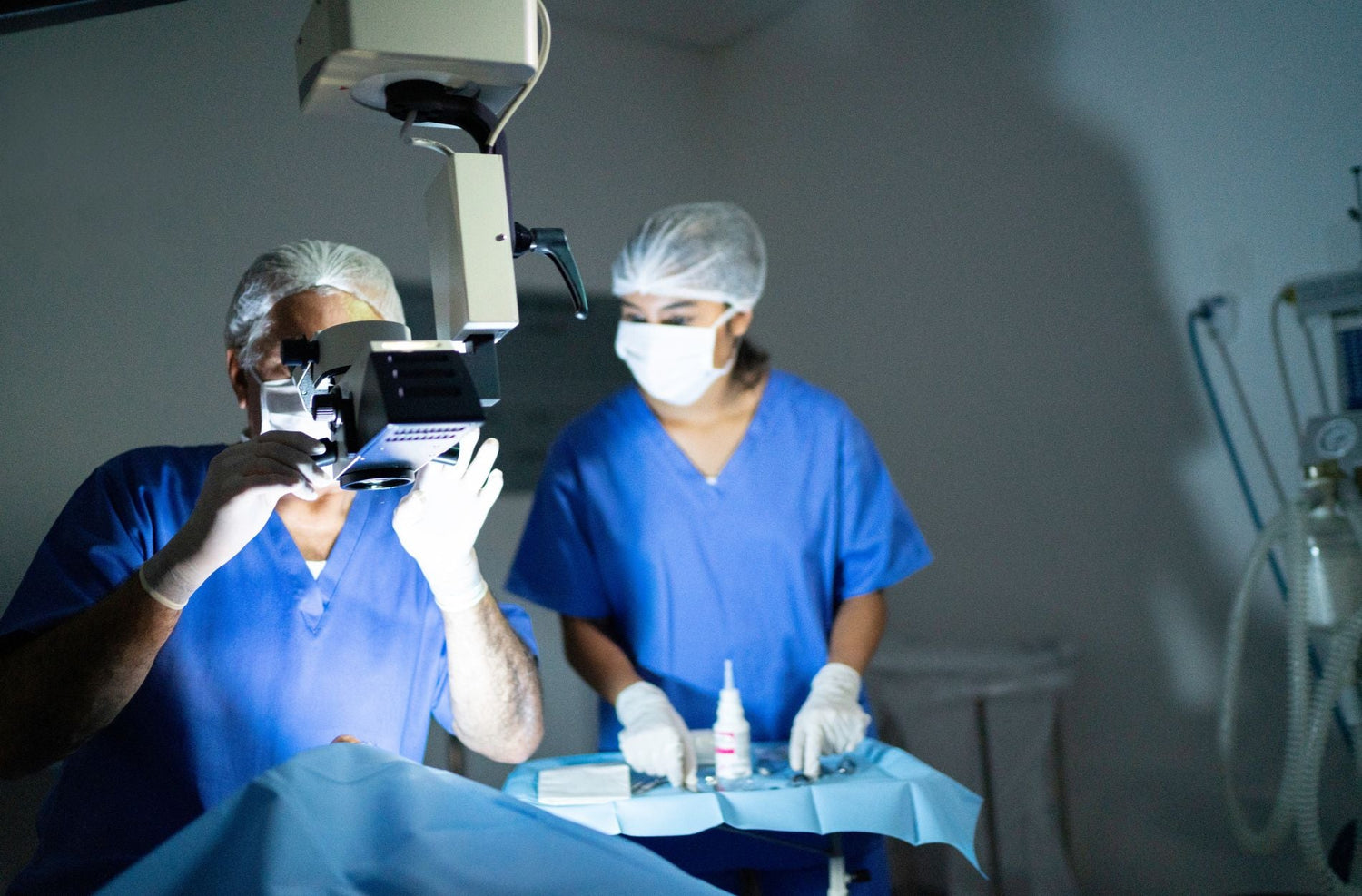
Stop Costly Stapling Errors Before They Start
Safe stapling is not about the device alone; it is about how the whole team uses it. As procedure volumes pick up in Canadian clinics ahead of summer, many teams feel the pressure to move quickly. In that rush, small missteps with a surgical stapler can slip in and cause big problems.
A misfire or poor staple line can lead to leakage, bleeding, wound dehiscence, or even repeat surgery. That affects patients, schedules, and your clinic’s reputation. The good news is that most common stapler issues are preventable with simple habits and clear systems.
At ProNorth Medical, we work with medical, dental, and veterinary teams across Canada, and we see the same patterns again and again. In this article, we will walk through practical steps your clinic can take to avoid common stapler problems, cut down on waste, and work more confidently during your busy season.
Choosing the Right Stapler for the Right Job
A surgical stapler that is perfect for one case can be a poor match for another. Using the wrong type or size for tissue thickness or application can lead to weak or malformed staples and slower healing.
Key points teams often overlook include:
- Tissue type and thickness, for example, bowel vs skin, soft gum tissue vs dense fascia
- Human vs veterinary needs, including differences in anatomy and access
- Reload colour and staple height, which must match the tissue you are closing
- Staple line length, especially in smaller mouths or tight fields
It helps to slow down at the start of each case and confirm that the device and reload on your tray fit the plan for that procedure. A simple cross-check between surgeon and assistant can prevent wrong-size or wrong-type selection.
As you prepare for higher elective volumes in late spring and summer, it can be useful to standardize a preferred product list. Many clinics group their supply choices by procedure type, such as:
- Everyday skin closures
- Oral and dental surgeries
- Abdominal or soft tissue procedures in veterinary practice
Having a clear list reduces last-minute substitutions when stock is low. It also makes ordering from a single source, such as the staplers collection at ProNorth Medical, more straightforward and consistent with your patient mix and budget.
Avoiding Misfires Through Better Handling and Storage
A surgical stapler is a precise device. If it is dropped, forced, or stored poorly, internal parts can be damaged in ways you cannot see. That damage often shows up at the worst possible time, right in the middle of a case.
Good handling habits include:
- Never forcing the jaws closed when tissue is not seated properly
- Avoiding quick "one hand" throws between team members
- Keeping devices in trays that protect against crushing or bending
Storage matters too, especially in Canadian clinics that deal with big swings in temperature and humidity. Try to:
- Keep staplers and reloads in a dry, stable area, away from direct sunlight
- Check expiry dates during routine inventory checks
- Inspect packaging for any tears, punctures, or moisture before opening
Pre-procedure checks are one of the easiest ways to reduce misfires. When the manufacturer recommends it, a test fire outside the patient can confirm:
- Correct reload is in place
- Firing mechanism moves smoothly
- Jaws open and close evenly
These simple checks help your reusable devices last longer and keep single-use devices from being wasted. For smaller or rural practices, where every device counts, that kind of care can make a real difference in daily operations.
Preventing Tissue Trauma and Poor Staple Lines
Most stapler complications are not about the instrument; they are about how tissue is handled. Over-compression, under-compression, or poor alignment can all affect healing.
Some practical tips your team can build into its routine:
- Allow time for tissue compression before firing, do not rush the trigger
- Avoid stapling directly across thick scar tissue or calcified areas when you can
- Make sure the tissue is spread evenly in the jaws, not bunched at one corner
Team communication is key. Before anyone fires a stapler, a clear pause to confirm:
- Tissue is fully visible
- No extra structures, such as nearby mucosa, skin folds, or small vessels, are trapped
- Traction is correct, without pulling too hard or twisting tissue
Spring is a good time to add a quick refresher on stapling technique to your training days or pre-summer meetings. New hires, rotating staff, and even experienced surgeons benefit from a shared set of expectations around how, where, and when to fire.
Many teams also pair technique refreshers with ergonomic checks, such as reviewing seating setups with an ergonomic saddle stool, so clinicians can keep good hand control during longer cases.
Improving Training, Checklists, and Documentation
Even strong teams miss steps when the schedule is full. Simple checklists keep everyone aligned, from surgeons to nurses and assistants.
You can create laminated stapler safety checklists for each procedure room that cover:
- Device selection for the planned tissue and procedure
- Pre-use inspection and test fire, if recommended
- Correct loading and positioning
- Disposal or reprocessing steps after the case
Ongoing training is just as important. Many clinics find value in:
- Brief in-service sessions when a new stapler model is introduced
- Competency sign-offs for new staff before they use a device in live cases
- Short refreshers before known busy periods, such as summer or long holiday stretches
When stapler incidents or near-misses do occur, documenting them in a simple log helps you spot patterns. You might notice repeated issues with one model, one reload size, or one step of the setup.
From there, you can adjust:
- Training content and frequency
- Inventory choices and standardization
- Room layouts, trays, and setup routines
Standardizing brands and models makes training simpler and reduces user confusion, especially across multiple locations. It also plays nicely with other standardized items, such as your medical, dental, and veterinary sutures, so your teams see the same tools day after day.
Equip Your Team Now for Safer Stapling Season
Busy seasons do not have to mean more stapling problems. By choosing the right stapler for each job, handling and storing devices with care, refining tissue techniques, and backing it all up with strong training and checklists, your clinic can reduce avoidable issues and keep procedures running smoothly.
A quick audit of your stapler inventory, protocols, and incident notes before the spring and summer surge can reveal small gaps that are easy to fix now. ProNorth Medical, based here in Canada, supports medical, dental, and veterinary teams with equipment, ergonomic options, and practical, training-focused guidance so that every use of a surgical stapler feels more controlled and consistent for your whole team.
Equip Your Surgical Team With Reliable Stapling Solutions
Ensure your next procedure has the consistency and control it deserves by choosing a surgical stapler trusted by clinicians across Canada. At ProNorth Medical, we carefully source and vet every product so your team can work with confidence and efficiency. Explore our selection today and find the right fit for your caseload and technique. If you need guidance, our knowledgeable team is ready to help you compare options and make an informed choice.


Leave a comment
This site is protected by hCaptcha and the hCaptcha Privacy Policy and Terms of Service apply.