
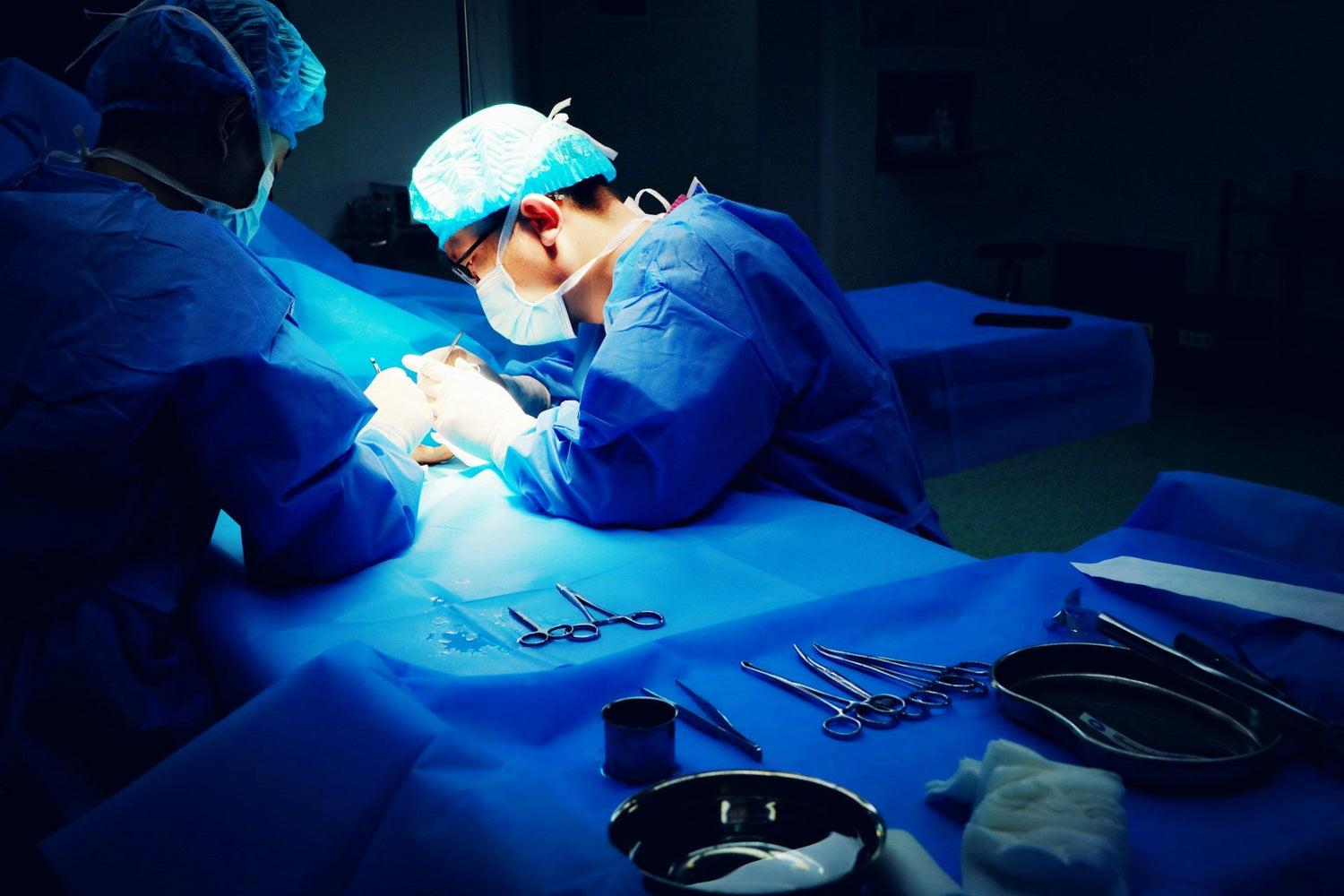
In a small operating room, space gets used up fast. Rolling carts, overhead lights, and instrument tables all need to fit without getting in the way. Seating does not always get as much attention as other equipment, but it plays a bigger role than many realize. When someone is sitting for long stretches or moving between procedures, how and where they sit matters.
A saddle stool can help with both posture and space. It fits into tight setups, moves easily, and supports a neutral seated position. That can make a long case more comfortable for the person working and keep everything flowing a bit smoother in tight quarters. For teams trying to balance comfort and space, knowing how to plan seating can make a difference.
Choosing Seating for Small ORs
The right seat can help make the most of a small room. We have worked in plenty of tight spaces, and every extra inch counts. When seating is bulky or hard to move, it slows people down. A lightweight stool with a narrow frame lets staff get in and out quickly, without knocking into tables or carts.
A saddle stool works well in this kind of space. Instead of a flat platform, it curves downward like a riding saddle. That tilt helps keep the pelvis aligned and takes pressure off the lower back. Compared to traditional round stools, a saddle shape encourages better posture over time.
Movement also matters. In smaller ORs, staff shift positions more often. A stool that rolls smoothly and turns easily makes those quick changes more manageable. That is especially helpful when surgical assistants need to reposition often or adjust along with the surgeon without leaving their task.
Good seating choices in a small OR aren’t just about comfort for one person. With limited floor space, every team member needs room to work. A compact stool is easier to store and share, and in a busy OR, sharing is common. That means it is helpful to think about what will work for everyone on the team, not just one regular user.
Planning Room Layouts Around Workflows
In a small OR, it is not just about fitting all the gear. It is about fitting the right gear in the right place. Where the saddle stool sits during a case needs to match how the team moves around the table, where the patient is positioned, where trays are stored, and how the lights line up.
We like to look at the workflow first. What happens from prep all the way to cleanup? Who needs access to what during each stage? Once we lay that out, it becomes clearer where stools can go and where they will just get in the way.
One thing we have learned is not to block key walking paths or doorways. Stools should be tucked just close enough to do their job without getting underfoot. Height matters too. A saddle stool needs to line up with the table height and monitor placement so the person sitting does not need to twist or slouch. That keeps the OR safer and more efficient on busy days.
The more people think about these layout details ahead of time, the easier it is to avoid traffic jams during a busy case. Even small adjustments, like nudging a stool a few inches away from a high-traffic path, can help everything run more smoothly. Teams with great workflow plans usually have fewer hang-ups, even in the smallest spaces.
Making the Most of Vertical and Mobile Features
Space gets tight, but that does not mean people have to feel boxed in. One of the reasons many OR staff prefer using saddle stools is the freedom to change position quickly. Good ones usually have an adjustable height lever that works fast and smoothly. Whether someone is five feet tall or closer to six, the stool can shift to fit their frame.
The seat itself does not need to be oversized to be supportive. We have found that smaller, dense cushions still provide comfort without taking up room. In shared areas where many people use the same stool throughout the day, an easy-clean surface is helpful too.
We look for stools with quality caster wheels that roll smooth and stay steady. Some have locking wheels, which help when you are staying in one spot. Add in the fact that they take up less floor space than larger chairs and you get more room to breathe, move, and work around each other.
Vertical movement also helps with team flexibility. In a small space, staff may need to switch between sitting and standing quickly, so an easy lever adjustment means the stool is ready for anyone in seconds. This suits a variety of tasks, whether someone is charting at a side table, assisting a surgeon, or managing supplies.
Training Staff to Use Stools the Right Way
Just having the right stool is not quite enough. It helps to show staff how to use it well. When people know how to adjust it properly, it holds posture better during long work sessions and avoids common aches.
We recommend adjusting the height so knees drop slightly below the hips and feet rest flat on the floor. That lowers strain on the back and encourages an upright chest and shoulders. A slight forward tilt can feel odd at first, but it makes longer stretches of seated work feel lighter and more active.
Making posture part of the conversation during orientation or setup meetings can save wear and tear over time. Setting expectations early builds habits that lead to fewer backaches and better focus during long cases. It also helps staff feel confident making adjustments when switching roles or specialty areas during the day.
We often suggest having a quick review at staff meetings on how to best use adjustable stools. This helps everyone stay aware of good positioning techniques, especially new team members who might not be used to saddle-style seating. Simple reminders can make a big difference in comfort across long shifts.
Staying Comfortable and Efficient in Smaller ORs
Working in compact rooms is not unusual, especially in private clinics or specialty practices. That does not mean comfort or function has to take a hit. A well-placed saddle stool offers solid support without taking up extra space. It gives care teams the freedom to move, shift roles, or adjust posture during long sessions.
By planning around staff flow and using gear with built-in flexibility, it is easier to make every square foot count. And when seating supports better movement and alignment, the whole room works better together. No one wants to feel cramped or off balance during a busy day, and with the right setup, they do not have to.
A little extra planning makes each procedure smoother for everyone on the team. Even small steps, like thinking about seating ahead of time, pay off when every minute and every inch count in the OR. Saddle stools are not just a space-saver but a tool for better teamwork and comfort in the busiest areas.
At ProNorth Medical, we understand how comfortable and ergonomic seating helps surgical teams, especially in smaller operating rooms where every detail counts. Choosing the right solution can truly impact posture and workflow efficiency. Our saddle stool is designed for versatility, easy use, and long procedures where mobility is key. Reach out if you have questions or need guidance in selecting the best seating for your team.

Leave a comment
This site is protected by hCaptcha and the hCaptcha Privacy Policy and Terms of Service apply.