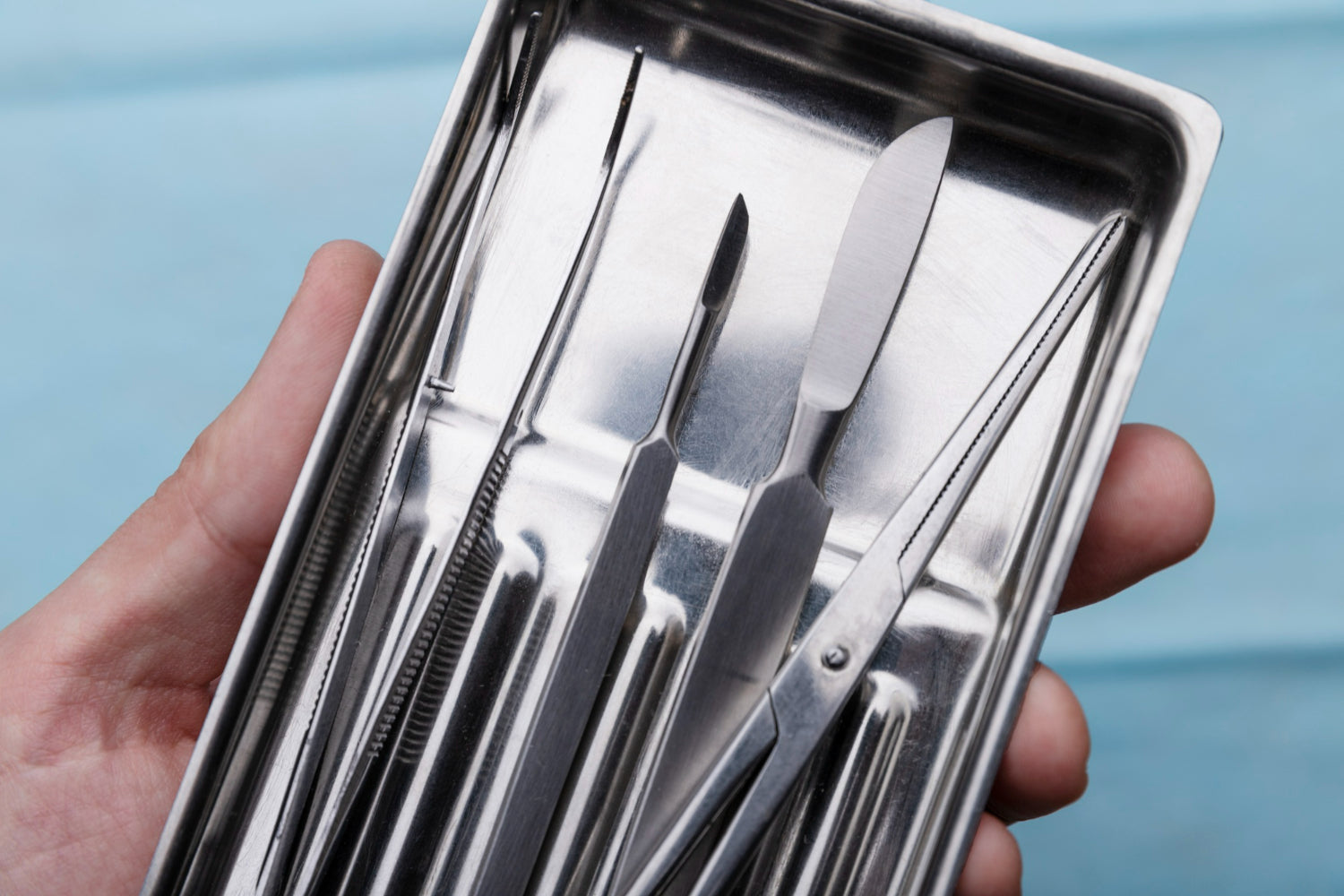
Precision matters in every part of periodontal surgery, and that starts with choosing the right instruments. When you are working with delicate gum tissue, clean cuts and smooth handling can mean quicker recovery and less strain on the procedure itself. While standard blades are regularly used in these surgeries, some cases benefit from blades shaped or sized for smaller, tighter working areas. Specialty blades are not only for complex surgeries either, they can offer more control in everyday cases like flap work or bone cleaning.
If your practice includes both dental and animal patients, you might notice some similarities between tools used across the two. Many surgical instruments for veterinarians are built for small spaces and sensitive tissue, making them surprisingly relatable when thinking about fine-tipped dental work. With busier winter schedules ahead, this might be a good time to rethink which blade designs are helping and which are slowing you down.
Understanding Periodontal Surgery and Instrument Use
Periodontal surgery can include procedures like pocket reduction, bone grafts, or guided tissue regeneration. These treatments often require incisions in tight, curved, or hard-to-see places. That is where blade control and responsiveness really count.
Using a general-purpose blade works fine in many cases, especially when the field is clear and the cuts are straightforward. But periodontal tissue tends to be thin and sensitive. Tears or bruising caused by dragging or dull blades can slow healing or create extra closure work.
Here is what matters in choosing a blade:
• Sharpness and stability during fine cuts
• The ability to follow the natural curve of the gumline
• Comfort when switching tools mid-procedure
Most general-use blades provide basic cutting ability. But when you are aiming for accuracy and consistency across procedures, it helps to match the blade to the job, not the other way around.
When a Specialty Blade Comes in Handy
So when does it actually make sense to use a specialty blade? For starters, if you are seeing slow incisions, too much tissue drag, or loss of visibility near tight margins, tool selection may be part of the problem.
A few surgical situations where a specialty blade can offer a clear advantage:
• Flap surgeries where curves and angles make straight blades harder to control
• Bone contouring procedures where you need accuracy around sloped tissue
• Refined cosmetic work, where healed incision lines need to remain flat and subtle
In these cases, blades with sharp points, angled tips, or smaller size options can do more of the work without needing extra hand pressure. We have seen similar considerations in surgery rooms where animal care is involved. In fact, surgical instruments for veterinarians are often designed with small, curved shapes and grip-friendly handles, offering more flexibility when working in close quarters.
Bridging ideas from animal medicine into dental practice might sound unusual, but precision demands tend to be the same, whether you are working with fur or enamel.
Blade Design Features That Matter
Not all specialty blades are made the same. A few key features to look at before updating your tray setup:
• Blade shape: Straight, angled, and curved blades change how pressure is applied and how lines are followed
• Sharpness retention: Some coatings or materials, like carbon or stainless steel, hold sharper edges longer and reduce breakage
• Grip and handling: Look for textured or contoured grips that do not slip when gloved
• Visibility: Low-glare finishes and proper contrast help blades stay easy to see under surgical lights
It is easy to overlook smaller design choices during a busy schedule, but even one upgrade in blade design can make handling smoother and help with hand fatigue.
If you are switching between types of tissue or working in hard-to-see spots, having a blade fitted to the task can save time, improve accuracy, and result in a cleaner finish.
Keeping Tools Ready for Cold-Weather Cases
By the end of December, clinics might be dealing with packed schedules and short-staffed rooms. Winter can bring an uptick in emergency procedures and limit delivery windows with weather delays. A fully stocked and well-organized surgical setup helps things run more reliably.
Here are a few ways to keep your surgical blade inventory working with you, not against you:
• Build in an easy way to rotate blades for faster turnaround on sterilization
• Keep specialty blades in labelled trays so they are quickly accessible mid-procedure
• Train staff on differences between blade types so swaps and backups do not waste time
Having things laid out cleanly helps keep procedures moving when bookings get tight. Specialty blades, especially sterile-packed versions, can shave off prep time and limit room delays. Equipment does not need to be high-tech to be efficient, it just needs to work reliably when things get busy.
Choosing What’s Right for You and Your Practice
You do not need to overhaul your entire blade system at once. One good way to start is by looking at your most frequent procedures. Are there two or three that regularly feel more challenging than they should? If so, it might be worth trying out a different blade shape or size for those specific tasks.
Ways to review your setup:
• Keep a short list of procedures where tool handling feels awkward or overly time-consuming
• Ask team members where they notice the most tool handoffs or mid-procedure swaps
• Test one new blade design at a time and compare with your current setup across a few cases
With a small selection of targeted specialty blades, you do not have to overload your tray. Instead, focus on easy swaps that give more control, especially in narrow incision work or cases where small cuts can impact the result.
As practices expand or blend services, such as dental and animal care under one roof, it helps to find tool setups that flex across disciplines without losing effectiveness.
Better Blades, Better Outcomes: Planning Ahead for 2026
Specialty blades are not going to make every procedure easier, but they can help reduce strain, make cuts cleaner, and improve results in a few key situations. For clinics that see a mix of cases or face seasonal ups and downs, having flexible, well-designed blades is one way to stay ready.
Many of the same design considerations used in surgical instruments for veterinarians, like small-scale precision, strong grip, curved working angles, can translate smoothly into periodontal tools for human patients too. Learning from both sides opens up more options that support high-quality care.
Tools do not need to be complex to work well. Sometimes, the right cut at the right time is what makes all the difference in how a case flows. As the year winds down and planning for 2026 begins, this might be a good moment to look at what simple but smart upgrades can make next year’s work feel smoother from the start.
At ProNorth Medical, we design our tools with both flexibility and precision in mind, especially for professionals working in tight procedural spaces. Whether you are refining your dental setup or working in multi-species clinics, the right blade or handle can improve every step of your flow. Many of our options take inspiration from the reliability and shape-focused engineering found in surgical instruments for veterinarians, which often favour detail over bulk. When you are considering how your surgical tools support cleaner work and easier outcomes, we are here to help you find the best fit, and you can contact us anytime.


Leave a comment
This site is protected by hCaptcha and the hCaptcha Privacy Policy and Terms of Service apply.