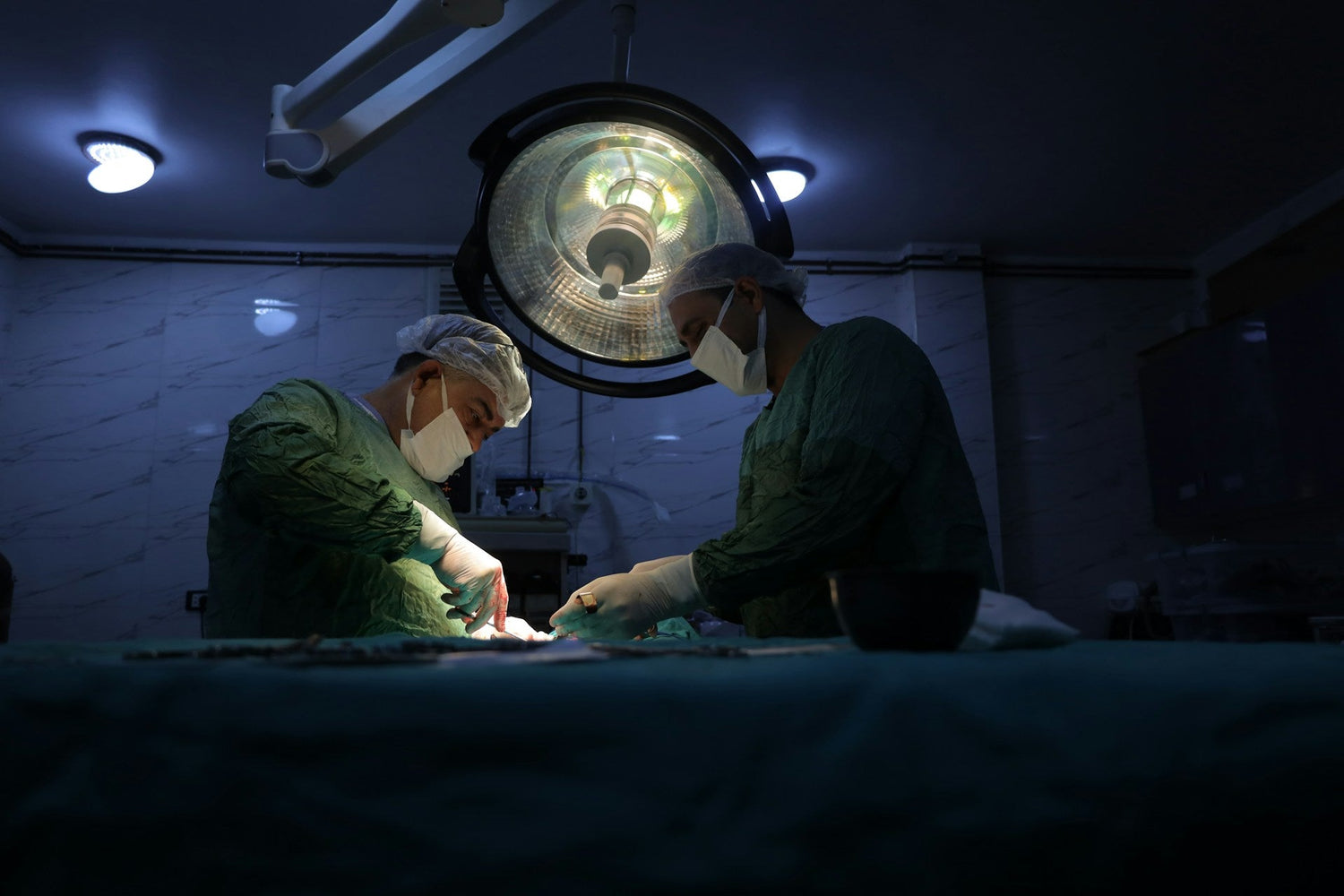
Operating rooms rely on consistent equipment performance, no matter the season, but winter brings its own set of challenges. We have seen how colder weather, snow, and heat system fluctuations can add stress to the systems and devices that surgical teams count on every day.
When things freeze up or slow down, even for a short time, that can ripple through the schedule. A device going offline mid-shift does not just disrupt one case, it can affect the rest of the day. Knowing how and why that happens helps teams stay a step ahead, especially when conditions outside are unpredictable. OR equipment needs extra attention when temperatures drop. In some cases, equipment downtime during harsh winter months has required teams to adapt procedures or find creative solutions to finish the clinical day, showing just how impactful cold can be.
What Causes OR Equipment to Go Offline in Winter
Winter impacts more than travel and delivery times. It can also sneak into hospital operations in less expected ways. Some outages might be caused by harsh weather, while others come from smaller changes that build up when teams are stretched thin.
• Drops in temperature and severe snowstorms can disturb the power grid, making it tougher for heating, ventilation, and climate control systems to hold steady. OR equipment relies on those stable conditions to function correctly.
• Holiday schedules often mean fewer staff handling maintenance checks. Small issues can get missed when teams rotate or take time off. A clogged airway or minor fault may not seem urgent until it shuts something down during a high-stakes case.
• Rapid shifts from cold outdoor air to warm building interiors can create condensation. That moisture can settle inside sensitive equipment, including surgical lights and sterilizers, and interfere with normal operations.
Even temperature drops overnight can leave components more vulnerable when the first case of the day begins, emphasizing the need for checks. Any of these problems can pull a piece of equipment offline, even if just temporarily. In a packed winter schedule, that short disruption carries weight.
How Downtime Affects Surgical Schedules
When a piece of OR equipment stops working, the impact is not limited to the room where it sits. Schedules can shift quickly once one machine or tool goes offline, especially during high volume winter months.
• A single failed light or table adjustment can cause a surgeon to delay a procedure, and multiple delays throw off the entire case schedule.
• When some rooms lose equipment function, staff often need to shift tools or setups between rooms. That means more prep time and more room rotations, both of which slow things down.
• For patients, delays can mean waiting longer for time-sensitive treatments. Whether it is dental surgery or a medical emergency, minutes matter when someone is counting on relief or fast intervention.
If one critical item is out for repairs, it forces teams to double up on other resources or reschedule altogether, which is disruptive for the clinic and patients. Teams often have to react on the fly, and one small delay can multiply if backups, tools, or help are not close by.
The stress of juggling schedules and equipment in winter can add up for staff. If backup devices are already in use or rotation is tight, it may mean extending workdays or disappointing patients with postponed procedures. This is why early winter prep is so important for surgical teams who know how quickly a day's plans can be thrown off course.
Preventive Steps for Keeping OR Equipments Ready
Planning ahead makes a difference. Preparing for winter is not just maintenance and inspections, but about thinking through what happens if something stops working mid-day.
• Doing thorough checks of surgical lights, sterilizers, and instrument tables in late fall can reduce unexpected malfunctions in December and January. Testing heating elements, electric controls, and caster locks before the first cold snap can catch problems early.
• Stocking backup parts like bulbs, tubing, or replacement switches helps limit downtime if something small goes wrong. Having extra OR-ready carts or instrument tables available also gives teams options in a pinch.
• Working with suppliers early in the season helps make sure replacement parts are in reach before bad weather slows shipping. Some clinics begin planning backups in November so they are not left scrambling when snow hits hard.
Simple routine checks, listening for odd sounds, noticing slow starts, and testing climate controls, can uncover wear before it becomes failure. Staying prepared lessens risk. It helps surgical teams move through the day with fewer surprises.
OR teams know that good preparation not only prevents breakdowns but also gives everyone peace of mind. Having a checklist for each winter month or assigning regular checks for climate-sensitive gear creates a habit that pays off. Good habits keep operations smooth even if the snow outside starts to pile up.
Who Helps When Something Shuts Down
When something breaks or slows down, the first instinct might be to reset or replace it. In a clinical setting, fixes need to be fast and safe.
• Biomedical technicians are typically the first phone call. They know how different tools work and where failures usually happen. In many cases, they can fix small errors on-site or walk through quick checks to restore function quickly.
• During colder months, some clinics rely on outside suppliers to swap out broken units or deliver time-sensitive parts. Winter weather can delay some of these shipments, so having access to local backups makes a difference.
• In areas where roads might shut down or trucks can not get through easily, stronger local support networks come into play. Nearby clinics or hospitals might lend carts, lights, or sterilizers temporarily if the need arises.
When something larger fails and the repair will take longer, teams use loaners or shift procedure locations so that critical cases can still happen without major delay. The faster help is in place, the easier it is to keep procedures on track.
Often, a well-trained OR team knows who to call and how to run quick equipment checks to diagnose a problem. These skills are essential in winter months when waiting for outside help could take longer. That knowledge also builds confidence for everyone working in tough conditions.
Ready for the Next Cold Snap
OR equipment can work well all winter but depends on consistent support, clear planning, and small fixes before they turn into roadblocks. Snow, ice, and temperature swings change the way facilities operate, and that change affects more than just the patients who need care.
Small malfunctions that might be ignored in warmer months tend to show up differently during winter's most demanding days. By expecting that and reacting early, surgical teams can avoid bigger problems later and keep their work moving, one case at a time.
Keeping procedures on track during the winter takes the right tools and a solid plan. When indoor temperatures drop or unexpected snowstorms roll in, equipment that usually works perfectly can have issues with little warning. That is why we focus on maintaining and preparing all OR equipments before the cold weather sets in. At ProNorth Medical, we are here to help you avoid seasonal slowdowns, whether you are replacing a single table or preparing for the months ahead. Call us today to discuss your needs.

Leave a comment
This site is protected by hCaptcha and the hCaptcha Privacy Policy and Terms of Service apply.