When it comes to keeping a clinic running smoothly, choosing a reliable medical equipment supplier is one of the most practical steps we can take. It's about more than just ordering tools or selecting from a catalogue. The supplier we work with affects our day-to-day workflow and the overall care we’re able to provide. Reliable delivery, consistent stock, and knowledgeable support can make all the difference. Asking the right questions early on gives us a clearer picture of whether a supplier truly fits how our clinic operates, both now and in the future. This kind of forethought allows clinics to avoid many common pitfalls, ensuring that essential services remain uninterrupted.
A clinic’s daily efficiency depends heavily on the support infrastructure behind it, with suppliers playing a foundational role. By carefully evaluating vendors, clinics can foster smoother processes, keep downtime to a minimum, and ultimately provide a higher quality of patient care.
What Types of Equipment Do You Specialize In?
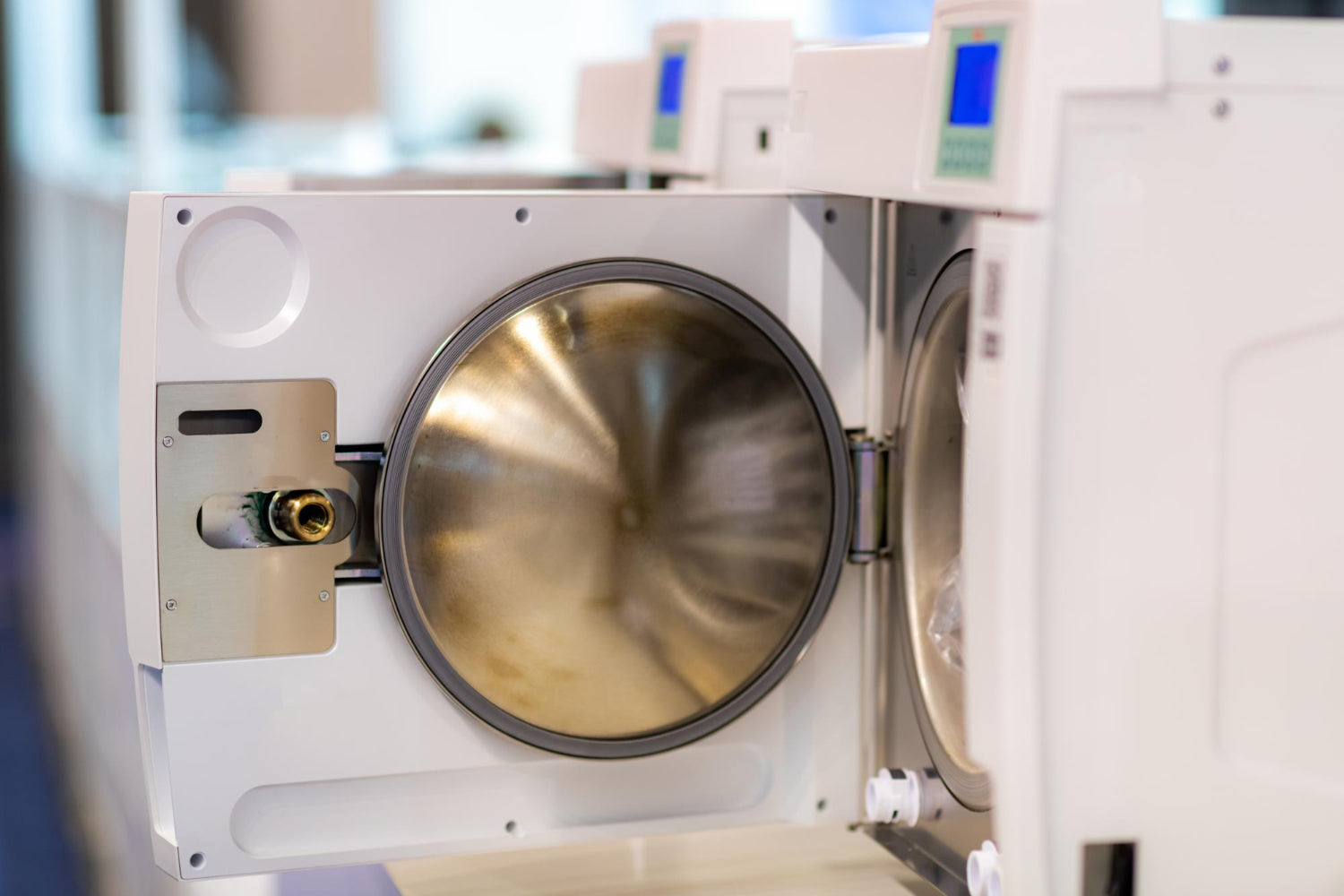
Before anything else, it helps to know exactly which areas a supplier focuses on. Not all suppliers offer the same depth or range, especially in surgical or clinical settings. If we’re looking for specific tools used during procedures, such as surgical lights, over-the-patient instrument tables, or steam sterilizers, we need to confirm their availability.
Some suppliers focus more on general use, while others are tailored for dental, surgical, or veterinary practices. We should ask questions like:
• Which medical fields do your products support most often?
• How recently have you updated your available inventory or product brands?
• Do you offer key items like dental carts, surgical blades, or tunneling sets used during specialized treatments?
By starting with these, we avoid relying on a supplier who might not keep dependable stock in the items we need most. Having consistent access to the right tools helps prevent delay and keeps scheduling on track for patients. Clinics often discover that inventories can shift, so checking on the refresh frequency of equipment lines is also useful for anticipating future needs.
Another factor to watch is whether a supplier has insight into emerging technologies relevant to your clinic’s specialty. Knowing if they can source or recommend newer models can indicate a commitment to ongoing support and modernization.
How Do You Handle Equipment Quality and Compliance?
Quality and safety should always come up during early conversations with any supplier. Medical equipment goes through heavy daily use, especially tools like hand instruments, sutures, or hemostasis materials. Wearing down is normal, but low-quality or non-compliant materials can interrupt procedures and create safety risks.
When speaking with a possible supplier, we can ask:
• Are your tools and supplies aligned with Canadian safety and health standards?
• Where do you source your equipment, and how is it quality-checked before sending it out?
• Do your surgical blades, sutures, or other sterile tools come from trusted manufacturers with a known track record?
These aren’t picky details, they’re core to keeping both our staff and our patients safe. A supplier’s answers will show whether quality really comes first, or if warehousing and speed have taken the lead.
Sometimes, it may be worth exploring if the supplier provides documentation or certificates regarding product compliance. Clear labeling, accessible technical sheets, and batch tracking contribute to traceability in case of recalls or upgrades. Alongside formal standards, the consistency of performance and durability should be hallmarks of the products offered.
Additionally, clinics can benefit from requesting sample products for hands-on evaluation before committing to larger orders. This practice not only builds confidence in the supplier but also provides an opportunity to check on usability and compatibility with current equipment.
Can You Support Changes in Clinic Workflow?
A clinic doesn't operate the same way year-round. There are seasonal spikes, staff turnover, rotating appointments, and updates to routine care. A good supplier keeps that rhythm in mind and can adapt when things shift.
Sometimes we need more than the basics. Having access to high-demand tools like surgical lights or over-the-patient tables can simplify workflow changes without disrupting patient care. We might ask:
• Can you keep up if we need a larger order during busier months or adjust to a changing layout in our exam rooms?
• Do you carry both general-purpose equipment and more specialized pieces?
• Can you make suggestions if we’re looking to improve a particular area of our workflow?
Talking through not only what’s available, but how flexible that availability is, gives us better confidence in long-term support.
It is not uncommon for clinics to expand, move, or update their physical spaces. Being able to rely on a supplier who can quickly supply or recommend the right fixtures, furniture, or equipment for a reconfiguration can eliminate headaches. Suppliers should also prepare clinics for planned and unplanned shifts in demand, allowing for proactive measures such as advance ordering systems, scalable agreements, or flexible return policies. Responsive suppliers make it easier to handle new partnerships, integrate temporary staff, or trial innovative care models.
Furthermore, establishing a habit of regular communication with your supplier can help both sides stay ahead of potential changes. Routine inventory check-ins or quarterly reviews allow you to project needs and tap into supplier expertise for optimizing workplace layout or adopting new practices.
What Kind of Support Can We Expect After Ordering?
Even when the equipment arrives on time, sometimes things need tweaking after the fact. Maybe we ordered the wrong configuration, or something doesn’t quite match what we used before. A helpful supplier stays available after delivery, not just before payment.
Support might look different depending on what was ordered, but we recommend asking:
• Who can we talk to if we need help with setup or adjustments?
• What are your return and exchange policies in case a product doesn’t work out?
• Will tracking be available throughout shipping, especially for bulk orders?
Having a reliable point of contact saves time and stress. It helps us deal with any hiccups quickly and get back to caring for our patients with minimal disruption.
Depending on your clinic’s unique workflow, after-sales support might mean the difference between a quick solution and a drawn-out process that leaves staff unprepared. Suppliers who provide onboarding, troubleshooting, or parts replacement add value that extends beyond the transactional. If an order ever arrives damaged or differently than expected, a responsive support line ensures issues are remedied as soon as possible, often with minimal paperwork. When evaluating new suppliers, it is helpful to review their online support resources, operating hours, and overall responsiveness, as these elements impact day-to-day reliability.
Moreover, some suppliers offer ongoing education, user manuals, or virtual demonstrations covering product handling, sterilization, and maintenance, resources that can enhance the longevity and safety of equipment. A proactive support team gives clinics peace of mind and keeps disruptions to a minimum.
Benefit of Feeling Prepared and Supported
A dependable medical equipment supplier adds calm to a process that might otherwise feel uncertain. When we take time to ask the right questions upfront, we learn what’s really possible, not just on paper, but in conversation and support.
Choosing a supplier is ultimately about more than filling an order; it’s about building a reliable partnership that underpins your clinic’s entire workflow. Trustworthy suppliers adapt as your needs change, provide insights on market trends, and help ensure your team always has access to current, safe, and compliant equipment.
Most importantly, it helps us stay ready for whatever the clinic’s day brings. Whether we’re updating our setup or replenishing standard tools, having a supplier we can count on helps keep things running smoothly behind the scenes so we can focus on what’s in front of us. Feeling confident about your equipment supply chain contributes directly to the calm, competence, and confidence of both staff and patients.
At ProNorth Medical, we understand that reliable access to equipment is essential for your clinic’s daily operations. Whether you are refreshing your setup or restocking essential supplies, the support you receive makes all the difference. As you consider your options for a trusted medical equipment supplier, it’s important to evaluate how each partner handles quality, inventory, and long-term reliability. We are here to help you make informed decisions for your clinic’s future, reach out to discuss your next steps with our team.


Leave a comment
This site is protected by hCaptcha and the hCaptcha Privacy Policy and Terms of Service apply.