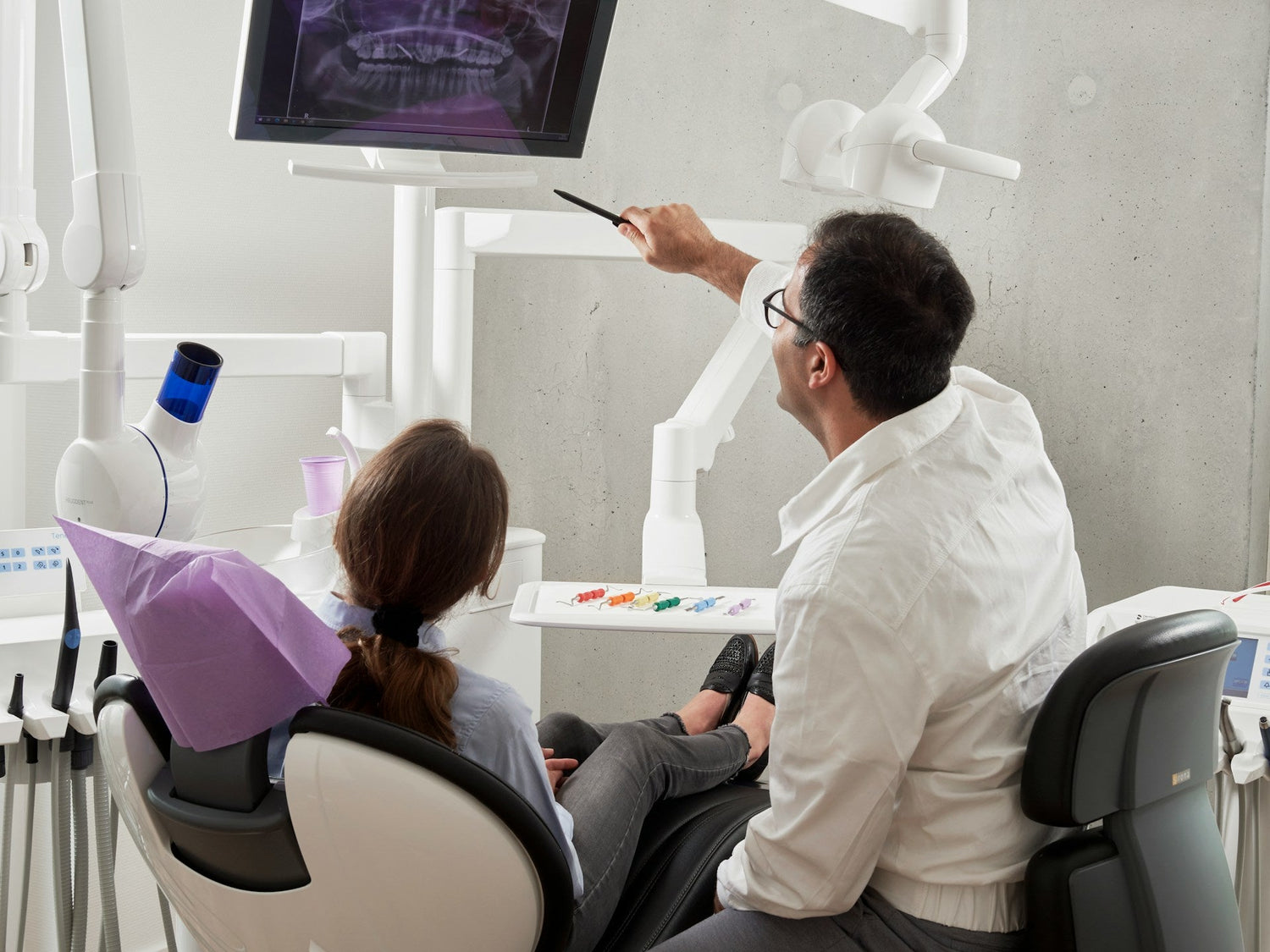
Long hours in the dental operatory can leave you feeling sore and tired before the day’s work is done. Standing, leaning, and bending in awkward ways adds up quickly when you're seeing patients back-to-back. It might not seem like a big deal at first, but over time, this kind of strain wears on your posture and comfort.
A small shift in the way we sit can change how we feel throughout the day. That’s where a saddle stool comes in. While it might look different from the usual office chair, its design is shaped to support the body in a way many traditional seats don’t. For dental professionals managing packed schedules and physically demanding work, this type of stool could make all the difference.
Why Standard Seating Falls Short in Dental Clinics
We often see traditional chairs sitting low or flat, forcing us to hunch forward or twist awkwardly to reach a tray or tool. That constant pressure on the back and hips builds up. Sitting like that for hours leads to stiff legs, sore shoulders, and an uncomfortable lower back.
When we’re focused on our patients, it’s easy to ignore discomfort creeping in. Over time, pain becomes the new normal. We shift around, change positions, or get up and stretch in between appointments, but without correcting the source, those tense muscles come right back.
Our work demands long periods of focus in tight spaces, and most chairs aren’t built for that kind of strain. The longer we stay in poor posture, the harder it becomes to correct it later in the day, or even later in our careers. This cycle of poor posture and resulting discomfort often leads to the search for solutions that can fundamentally improve the way we practice daily dentistry.
What Makes a Saddle Stool Different
Unlike standard seating, a saddle stool supports an open hip position that lines up better with the spine’s natural curves. Think of how a rider sits on a horse. The knees drop slightly, the hips open, and the spine follows a more upright line. That position takes pressure off the lower back and encourages a more neutral alignment.
What’s more, it’s easier to move around in a saddle stool. The seat’s design helps us shift position more naturally without needing to twist or lean too far to one side. When our movements feel smooth and our weight stays balanced, fatigue sets in much slower.
This isn’t just about feeling less tired at the end of the day. A stool that supports how we move and sit means fewer energy drains during each patient visit. Posture isn’t only about how we stand, it starts with where we sit. Proper sitting can lay the groundwork for more efficient movement and make repetitive tasks less likely to result in lingering discomfort.
Posture Benefits for Dentists Using Saddle Seating
Sitting taller with better support has ripple effects across the whole workday. When our body isn’t holding tension in the wrong places, we move more efficiently and feel more stable during procedures.
- A saddle stool promotes fewer mid-day readjustments since posture naturally falls into alignment
- An open chest and torso can help support breathing and circulation as we stay in one position for extended periods
- By reducing the strain that builds in the shoulders, neck, or back, we’re less likely to deal with lingering discomfort once the day’s done
Even small discomforts can pull our focus. When we’re better supported, we can stay steady from the first patient to the last. Good posture also contributes to smoother movements between different areas of the operatory, reducing unnecessary strain as we reach for instruments or consult with colleagues during procedures. The stability from a saddle stool can translate into a stronger sense of confidence and comfort while working in challenging or cramped spaces.
Over time, using a saddle stool can help train your muscles to maintain alignment even outside the clinic. Improved posture also means fewer distractions from chronic pain or muscle fatigue later in the week, so you can continue to deliver quality care while preserving your long-term health.
What to Look for When Choosing a Saddle Stool
Not all saddle stools are made the same, and finding one that fits your workspace makes a big difference. Here are a few things we watch for when picking the right one:
- Height adjustability matters. It should line up with the height of your operatory and instruments
- The padding should feel stable but not rigid. It should support without digging into hips or thighs
- Swivel and wheel features help us reach or reposition ourselves quickly without twisting
If you’re sharing the operatory with others, it helps when the stool adjusts easily between users too. A small comfort upgrade can help everyone feel more supported on shift.
In addition to these basics, consider how your workflow might interact with different seat sizes or shapes. For those who regularly switch tasks or work with various patients, a versatile stool helps prevent repetitive strain. Testing out several models, if possible, offers insight into what configuration best suits your unique needs.
Some stools are designed with split seats or cutout shapes to further improve weight distribution and airflow during longer procedures. Exploring available accessories and ergonomic enhancements can provide extra comfort, especially during particularly intensive patient cases.
Building Better Habits in the Operatory
A saddle stool isn’t a fix-it tool all on its own. It works best when used as part of a bigger approach to posture and workspace movement. Shifting habits makes the biggest difference in the long run.
- Short, regular stretch breaks help ease tension and reset posture during the day
- Offering training or reminders to staff encourages shared understanding about good posture and movement
- Setting up operatory stations with tools positioned within easy reach helps limit strain during common procedures
We can all fall into old habits when the day gets busy. But when the tools we sit on encourage better movements naturally, it’s easier to stick with those habits. Pairing a saddle stool with ongoing efforts to improve workspace ergonomics keeps positive change on track for the whole team.
Providing visual cues in the operatory, such as posters or quick reminders near workstations, nudges everyone to remain aware of their posture. Even a minute spent on targeted stretching during a break can reset tired muscles and reinforce healthier sitting. Over time, the combination of supportive equipment and mindful routines can create a workplace where comfort and performance go hand in hand.
Support Patients by Supporting Yourself
Caring for patients starts by caring for ourselves. By using tools that support how we sit, move, and work, we give ourselves more energy and less discomfort throughout the day.
A simple change like adding a saddle stool to your operatory routine can help ease common aches, even before they start. With better posture and more balanced support, we stay focused and steady throughout patient care. Our bodies work hard, giving them a better way to sit is one smart way to keep doing what we love, longer.
Upgrading your seating is a smart way to feel more supported during busy clinic days, and a well-designed stool can help you maintain focus without the usual aches that build up over time. We offer options like a saddle stool designed to fit the way dental professionals really work. This simple change supports your movement, posture, and workflow from one patient to the next. Contact ProNorth Medical to discuss how we can help make your setup more comfortable.

Leave a comment
This site is protected by hCaptcha and the hCaptcha Privacy Policy and Terms of Service apply.