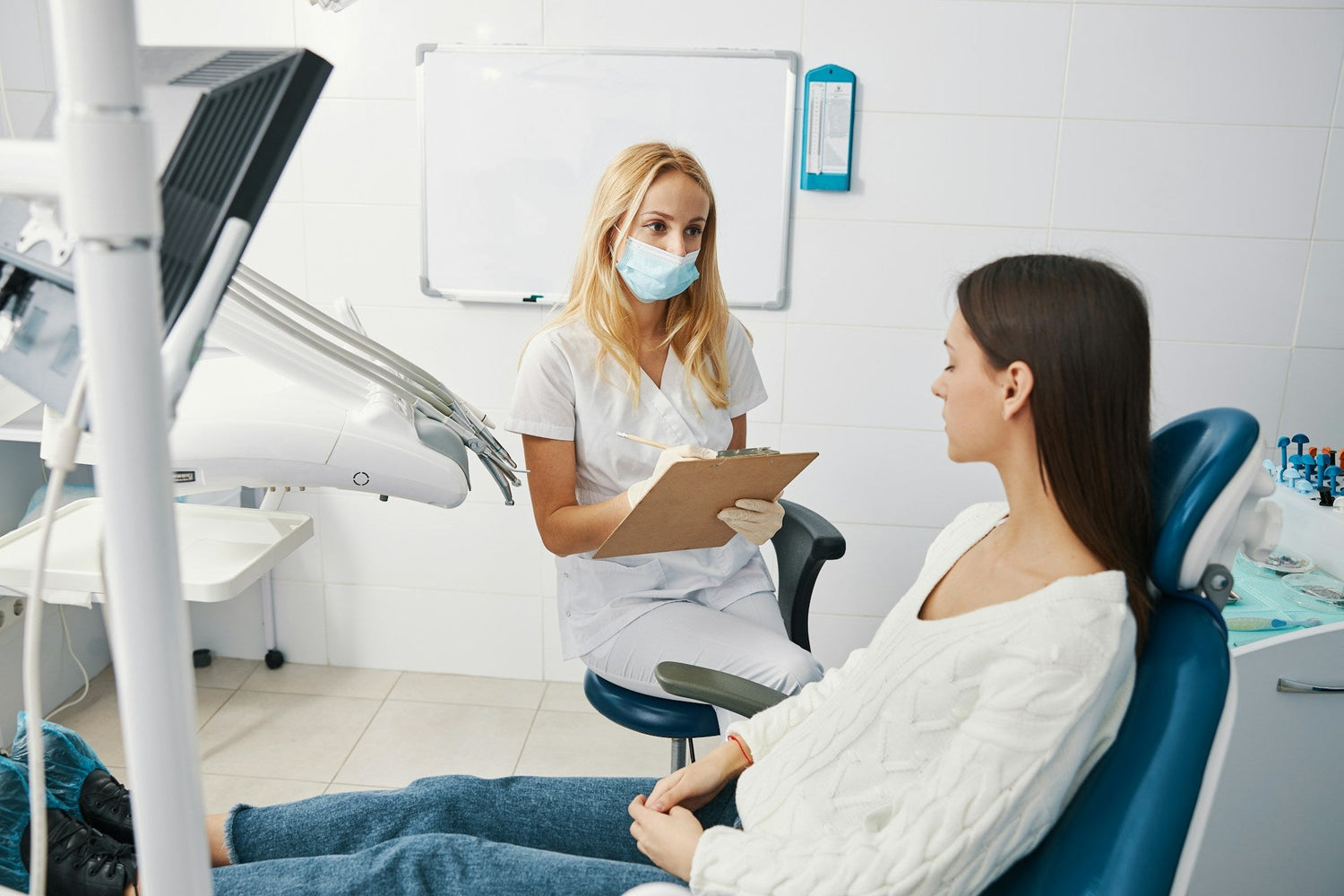
Working in a dental clinic means long hours, often in the same seated position. We lean forward, reach out, twist slightly, and before we know it, our shoulders are tense and our backs are sore. That kind of strain, repeated day after day, adds up. A basic chair does not always give the support we need when we are locked into those awkward angles.
That is where a saddle stool can help. With a different shape and posture-focused design, it offers an easy way to change how we sit, even during the busiest days. For clinics looking to reduce discomfort and improve daily flow, choosing the right seating can make a difference. Adjusting our seating is a simple way to tackle daily aches before they build up into something more serious and affect work performance.
How Sitting Affects Your Back During Dental Work
We often do not realize how much pressure we are putting on our lower backs until something starts to ache. In dental work, it is common to stay in one position for long blocks of time, leaning forward over patients or equipment. This repeated position puts strain on the same muscles and joints for extended periods.
• This bent-forward posture compresses the lower spine, placing uneven weight through the hips and tailbone.
• Many dental chairs or office-style stools do not help the issue, they are often built for comfort, not alignment.
• Neck and shoulder muscles start to compensate for that imbalance, tightening up and adding to end-of-day discomfort.
It usually happens gradually. What begins as a minor ache here and there can settle into stiffness that is hard to shake, even after the day ends. Without proper support, these aches can become chronic pain, making daily tasks more challenging.
What Makes a Saddle Stool Different
Unlike regular flat seats, a saddle stool is shaped more like a horse's saddle. That rounded design changes both posture and balance, and in a good way. The unique angle not only supports the hips but also keeps the body alert and engaged during work.
• The angled seat opens up the hips and helps the spine hold its natural shape.
• With the feet flat on the floor and weight more evenly spread, we are not leaning into our lower backs.
• The higher sitting position keeps us closer to shoulder height with the patient, which means less twisting and less slouching.
It is a small switch, but it adds up. When we sit taller and move more freely, it is easier to stay in position without so much tension creeping in. This simple upgrade can lead to improvements in posture that last beyond the workday.
Benefits for Dentists and Dental Hygienists
We know the pace of a dental day rarely slows down. That makes comfort and mobility key to staying focused and getting through a full schedule. A comfortable seat can help keep your mind on patient care, instead of distractions like backaches or numbness.
• Better posture helps reduce that low-back pull and neck soreness by the afternoon.
• With no arms on the stool, there is room to shift and turn smoothly while working in small spaces.
• Many saddle stools have stable, wheeled bases that respond quickly to small movements. That helps support steady hand positioning and reduces the need to lean further than necessary.
For hygienists, dentists, or assistants who move between sides of the chair dozens of times during a cleaning or exam, it is a seat that flows with the work, not against it. The ability to change position quickly without standing up can keep energy higher during longer procedures, which in turn benefits both the clinician and the patient experience.
Tips for Choosing the Right Fit
All saddle stools have similar benefits, but small design details matter when picking one for day-to-day use in the clinic. Taking time to select features that suit your own movement style can result in better comfort and longer use.
• Some styles have a split-seat design or contour to reduce pressure in the centre, which can improve sitting comfort over long periods.
• Tilt adjustment lets us fine-tune the angle for balance and circulation. Not every person sits the same way, so adjustment options help meet individual needs.
• Height range is a key factor too. If we work with chairs at different heights through the day, a stool that adjusts easily can make all the difference.
• Materials make a big impact in daily cleaning. Smooth surfaces that resist cracks and hold up to disinfectants are ideal for hygienic use.
Choosing a stool that suits both the layout of the space and personal movement style makes it more likely we get the full comfort benefit. Paying attention to these details when selecting your seating can prevent issues with discomfort before they start.
Why It Matters for Long-Term Comfort
We do not always notice the wear and tear that builds over years in practice. But many of the common aches we feel are not just part of the job, they are shaped by how we sit. Small ergonomic choices can have a wide impact over the course of a long career.
• A small switch in seating posture can ease tension on the spine and boost focus during longer procedures.
• A well-fit saddle stool allows for natural movement while keeping the body aligned. This can lead to fewer distractions from discomfort.
• Most important, it encourages long-term habits that support health and set a strong example in the clinic. Teams notice when pain gets in the way of work, and good seating habits can help shift the entire flow of the day.
Taking just a bit of pressure off the body each day adds up in ways we do not always expect. By building in better habits early, it can help prevent injury, fatigue, and chronic pain, supporting both your health and your ability to care for patients at your best.
A Better Seat for Better Days
Dental professionals know how physically demanding practice can be. But back pain does not have to come with the job. Making thoughtful choices about the tools we use, in this case, how and where we sit, can lessen strain, increase comfort, and keep us moving through the day with more energy.
A saddle stool might not seem like a major change, but for clinics that rely on smooth, focused work, it is one of those behind-the-scenes choices that makes each task just a bit easier. Sitting well today can help build a career that stays more comfortable over time. As practices become busier and schedules fuller, these ergonomic updates can make a lasting difference.
Choosing the right seat for your clinic can make all the difference in your comfort and productivity throughout the day. A well-balanced option like a saddle stool can support your workflow and long-term movement during lengthy procedures. At ProNorth Medical, we are committed to providing equipment that helps you work your best. Reach out to our team with any questions about optimizing your clinic setup.


Leave a comment
This site is protected by hCaptcha and the hCaptcha Privacy Policy and Terms of Service apply.