




· By Trevor Horne
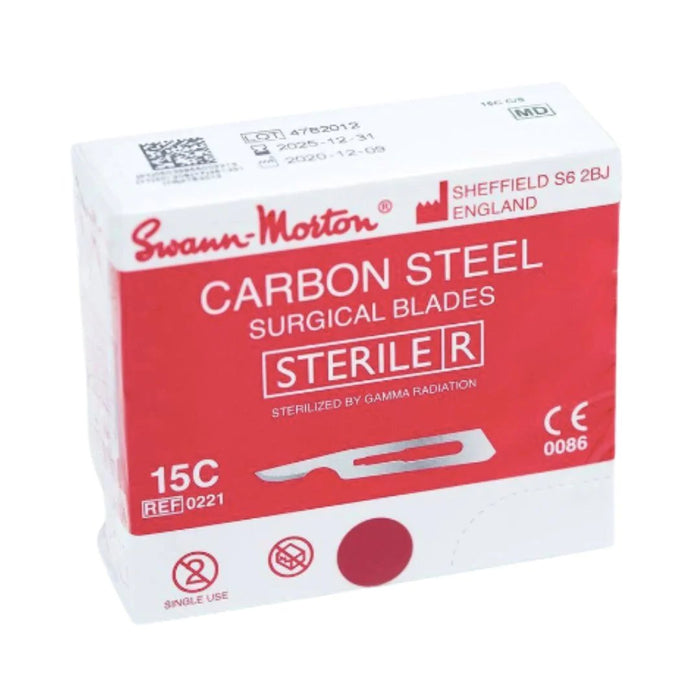
Why OR Teams Still Use Surgical Blades in 2025
As the colder months approach and the year winds down, operating rooms across Canada and the United States are making their seasonal adjustments. While advanced tools and digital systems fill many surgical suites, some instruments remain unchanged. Surgical blades continue to hold a solid place in the hands of OR teams. In a world of tech-heavy options, it is worth looking at why this classic tool still earns so much trust, especially in high-stress, fast-moving clinical settings.
It is clear that technology has made significant changes in the OR. Yet even as more digital devices are introduced, the essentials remain at hand. Teams are always evaluating which tools help the most in maintaining their best performance. Through all these changes, the surgical blade remains a staple because of its fundamental reliability and the peace of mind it brings when every second counts.
Reliability in High-Stakes Settings
In the middle of a high-pressure case, the last thing anyone wants is a delay or equipment failure. Surgical blades offer something that battery-powered tools and more complex devices cannot always guarantee (simplicity and consistency).
• A surgical blade does not need to be charged or calibrated. When time is tight, it is ready to go.
• In power disruptions or unexpected equipment issues, having manual tools like a sterile blade available can make a real difference.
• Many longer procedures call for tools that stay dependable from start to finish. Surgeons often feel more in control using gear that is less likely to act up or slow them down.
Being able to trust your tools means less anxiety for the staff, and this confidence carries into better outcomes for patients. The assurance that your core instrument is always available, regardless of technical difficulties, is a benefit that OR teams do not underestimate.
When everything needs to run smoothly, having one less variable to worry about helps every part of the surgical team stay focused.
Precision That Technology Can't Fully Replace
Technology offers a lot, but it still cannot replace the feel and control of a skilled hand using a surgical blade. For some incisions, especially in areas that require more finesse, nothing beats the accuracy of a clean manual cut.
• Some tissues just respond better to traditional methods. Burned or jagged edges from other tools can slow healing or lead to extra steps for closure.
• Delicate procedures, like reconstructive work or certain cosmetic surgeries, often demand more care in how tissues are separated. A blade allows the surgeon to adjust every move based on what they see and feel.
• The tactile response from using a blade lets the surgeon adjust pressure, angle, and speed in ways machines cannot interpret.
The ability to sense subtle changes in tissue while working guides each step of a procedure. This level of immediate feedback is difficult to achieve with automated tools, making the manual blade a standard of quality in operations requiring the utmost care.
That level of control helps OR teams match technique with the exact needs of each patient and procedure.
Updating Tools Without Replacing What Works
Over the past few years, many clinics have refreshed their OR setups with better lighting, more efficient sterilisation units, and easier-to-reach work surfaces. Still, surgical blades remain a regular part of the tray setup.
• Modern steam sterilisers keep blades clean and ready with less turnaround time between uses.
• Over-the-patient instrument tables make it safer and easier to keep sharp tools within reach without slowing the flow of the procedure.
• Blade designs have improved too (sharper edges, stronger handles, and safer packaging all help teams work smoothly without giving up what works best).
What has changed is not the blade itself, but the tools and supports that surround it. By updating adjacent equipment, clinics can enhance safety and efficiency while preserving the aspects of traditional surgical tools that have always worked. The synergy between new and old is what gives modern surgical teams their edge.
So while OR gear has evolved around the blade, the blade itself stays because it still gets the job done.
Trust, Training, and Technique
Most surgical staff train with surgical blades from day one. That hands-on practice builds not just skill, but comfort (and comfort matters a lot when pressure is high and outcomes are on the line).
• Over time, movements become automatic. That kind of muscle memory brings an edge when seconds count.
• Surgeons and nurses know how the blade feels in use, how it responds to different tissue, and how to recognise a bad cut before it happens.
• When everyone on the team knows what to expect from a tool, they work faster. There is less double-checking, less hesitation, and more flow.
This collective experience means less guesswork and better collaboration during procedures. The reliability of a surgical blade is amplified by the team's shared familiarity with it, which smooths communication even during challenging cases.
Familiarity keeps stress levels in check and cuts down on surprises during surgery.
Staying Ready for Seasonal Shifts and Emergency Surges
In winter, OR teams often see more trauma cases, fractures, and emergency surgeries. These procedures can come back-to-back, and it helps to have tools that do not slow things down.
• Surgical blades are quick to clean, quick to prep, and require very little logistical setup.
• In snowy or icy seasons, when injuries can increase and backup equipment might take longer to arrive, simple tools offer peace of mind.
• Familiar supplies help reduce setup time. When you are in a rush and working with tight handoffs, every minute saved matters.
Since winter brings unpredictable scheduling, keeping the OR stocked with reliable, familiar equipment helps teams transition seamlessly between cases. Having easily available blades on every sterile tray means critical supply shortages are rare, and surgeries do not have to pause while waiting for specialised parts or repairs.
Being prepared for these seasonal spikes means blending newer tools with the tried-and-true ones that keep the work moving.
A Tool That Keeps Earning Its Place
As 2025 winds down and teams look at what is next, it is clear that some tools do not need a major update to stay useful. Surgical blades earn their spot on the tray through consistency, ease of use, and the comfort they bring to people who rely on them daily.
Their ongoing presence in the OR is a testament to their design and adaptability. Whether used for routine incisions, delicate reconstructions, or quick intervention during emergencies, the core features of the surgical blade remain essential to operating room success. The fact that surgeons, nurses, and techs all trust the blade is proof of its enduring value.
They may not be flashy or connected to an app, but in fast-moving clinical rooms where outcomes depend on skill, speed, and trust, that simplicity is what makes surgical blades so dependable. The seasons may change, but the value of a well-made, sharp tool stays the same.
When precision and reliability are crucial, trust the tool that continues to earn its place in the OR. At ProNorth Medical, we offer a range of surgery equipment for sale that includes top-notch surgical blades designed to meet the demands of high-pressure situations.
Embrace the confidence that comes with using equipment trusted by surgical teams throughout Canada and the United States. Reach out to us today to ensure your team is equipped with tools that truly excel.
- Choosing a selection results in a full page refresh.
- Press the space key then arrow keys to make a selection.
Your cart -
Your cart is currently empty.